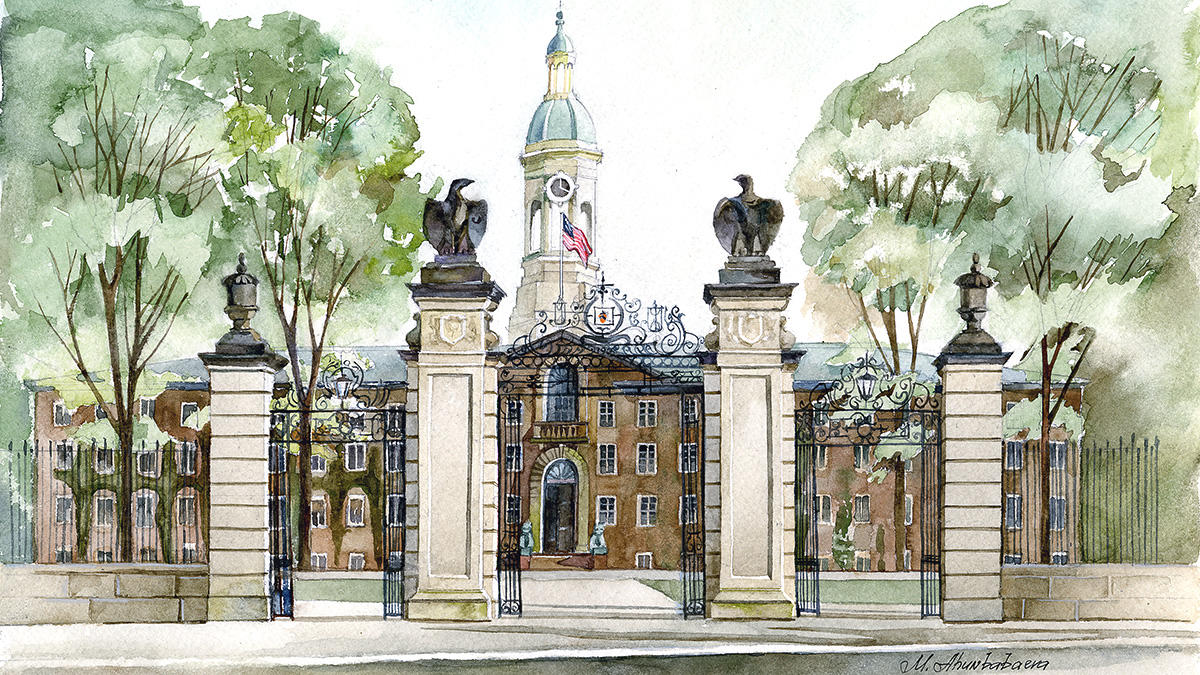
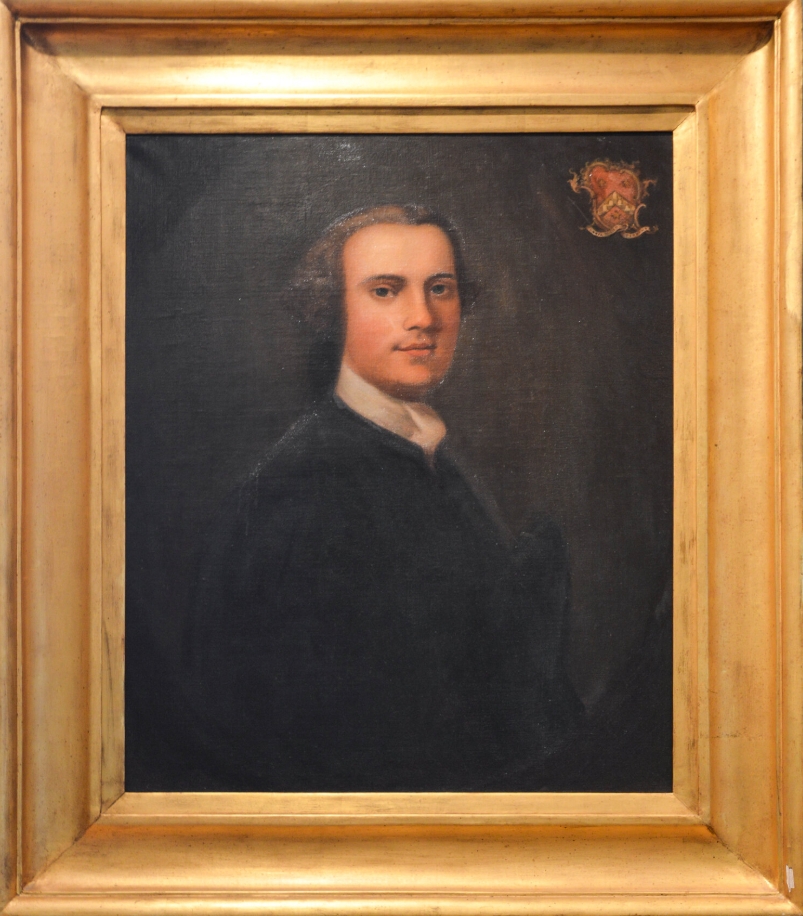
1730-1781 Princeton, NJ
Richard Stockton was most notable as a Signer of the Declaration of Independence and a Princeton Trustee, but more importantly he was a true follower of Christ. Here is a bit of his life.
Map to Richard Stockton locations
“I…subscribe to the entire belief of the great and leading doctrines of the Christian Religion, such as the Being of God, the universal defection and depravity of human nature, the divinity of the person and the completeness of the redemption purchased by the blessed Saviour, the necessity of the operations of the divine Spirit; of divine Faith, accompanied with an habitual virtuous life, and the universality of the divine Providence.”
Richard Stockton
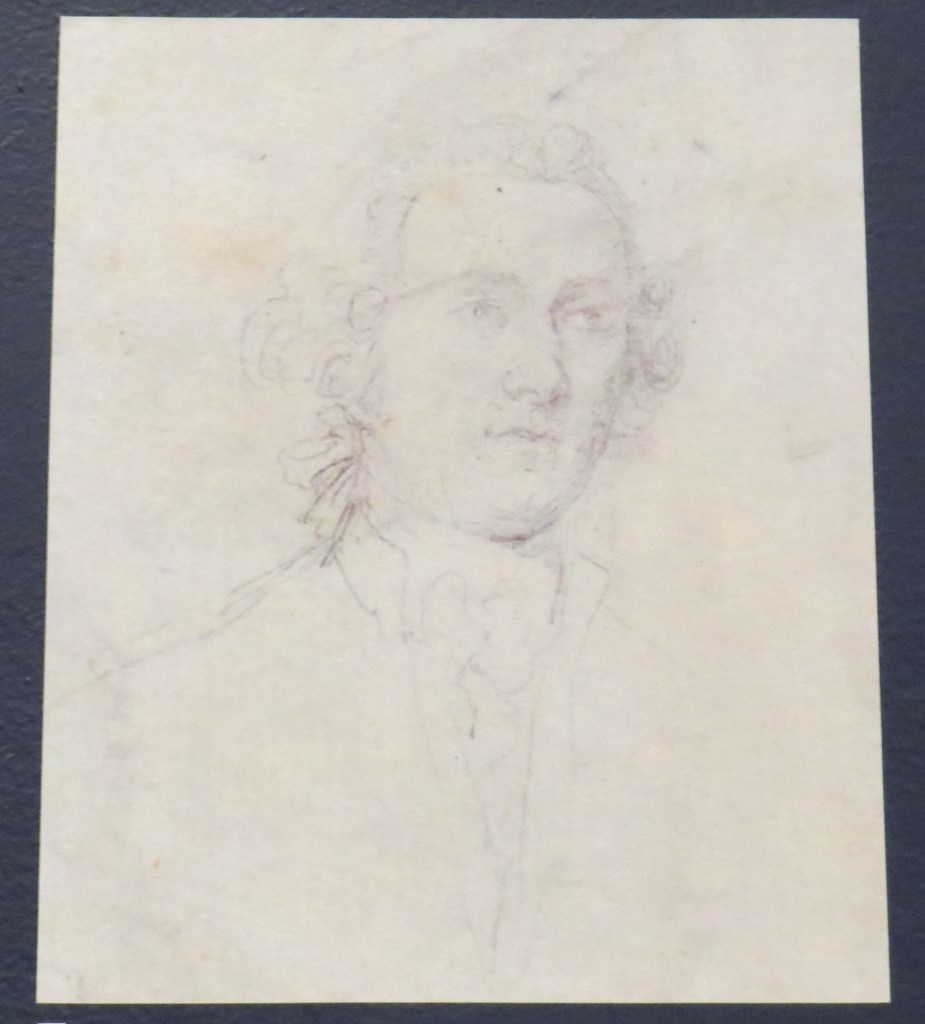
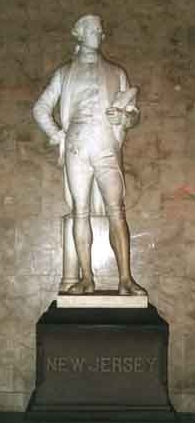
In the United States Capitol
The Stockton’s were very wealthy landowners in Princeton having been given a land grant from William Penn. The family were originally Quakers, but Richard’s father, John Stockton (1701-1758) converted to Christ and became Presbyterian.
“It pleased God to give him strong Confidence in the Truth of the Gospel, and the Merits of his Lord and Saviour; and when he found his “Flesh and his Heart to fail,” he doubted not, and has left his Acquaintances not the least Room to doubt, but that “God was the Strength of his Heart and his Portion forever.”
Upon John Stockton’s death, as relayed in the New York Mercury June 5, 1758
As an aside, secular sources in Princeton speak of many of these godly Princeton men solely as slaveholders and will go as far as purporting as fact that the sole reason they converted from Quaker to Presbyterianism is to continue holding slaves. They admit to having no primary source and I have found no basis for this assumption. I trust that the Gospel did it’s work, and they turned from false religion to a saving knowledge of Jesus Christ. We can assume, and have evidence, that slaves were treated with Christian kindness as expected. We do know that Annis Stockton, Richard’s wife, was wet nurse to a young child named Marcus Marsh. She freed him and sent him to live with her daughter Julia and her husband Benjamin Rush in Philadelphia. Rush writes, “I cannot tell you how much we all owe to Marcus. His integrity, industry, and fidelity deserve great praise.” source
In 1793, Annis wrote to Rush, “I cannot close this letter without saying a word about my poor Marcus—I cannot express to you [what] I felt when I read what you have said of the poor fellow in several of your letters, when I think of the poor fellow having numberless times sucked at my breast, and of my having brought him up almost as my own son, that he should have been made an instrument of comfort to my dear Doctor Rush and of good to any of his fellow creatures, I cannot help being truly thankful—I will write to him by the first private opportunity.”
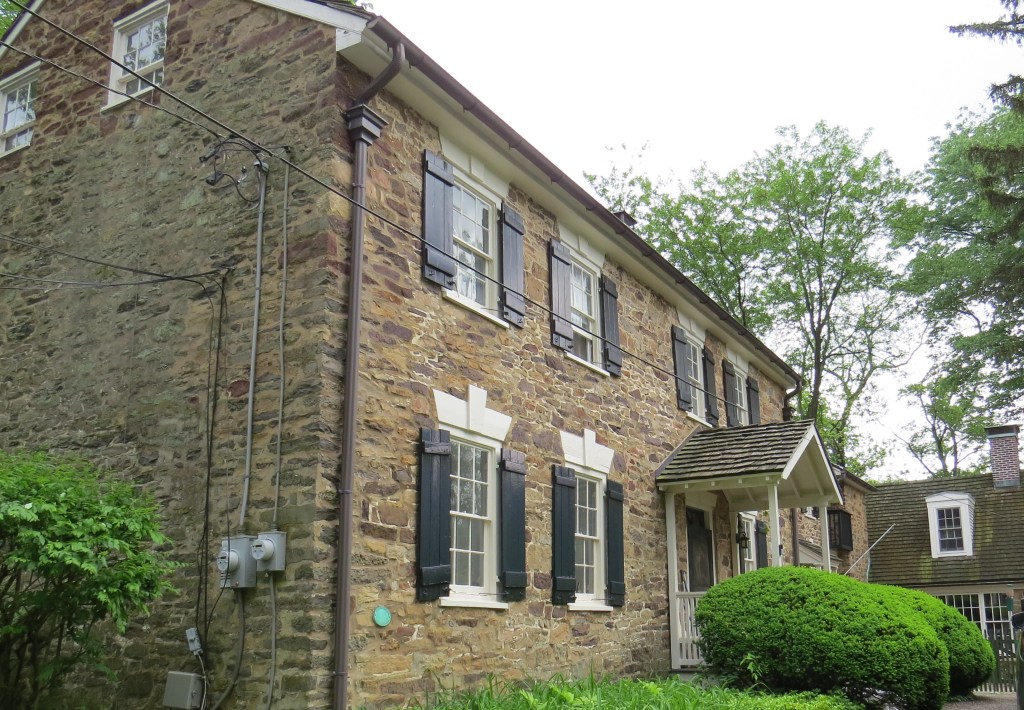
The Stockton’s owned many acres of land in Princeton and the family home on Edgehill Road in Princeton was purchased in 1696. It hosted many notable figures over the years. Richard was born, likely in the family home on October 3. 1730. He had 8 siblings.
The grandfather of Richard Stockton purchased some five thousand or six thousand acres of land at an early day, and, leaving it to his heirs, founded one of the most affluent families in the State… John Stockton was an elder of the church, a gentleman of fortune and influence, a most liberal friend of the College of New Jersey and its early presidents, and a presiding judge in the county court. His house was a frequent home for both the Brainerds. His memory is blessed!”
Life of John Brainerd
John left his home, to Richard. However, Richard preferred to build Morven on the acres he had been willed. The family home came to be known as The Barracks because troops were housed there during the French and Indian War. It also to house James Madison and Alexander Hamilton while the Continental Congress met in Princeton in 1783. source
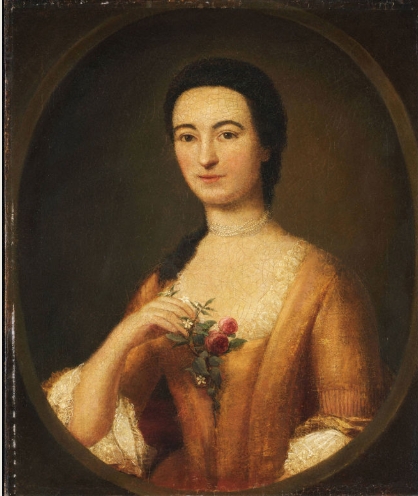
Richard married Annis Boudinot Stockton in late 1757 or early 1758. They had 6 children including a set of twins. Julia, their oldest, married Dr. Benjamin Rush, also a signer of the Declaration. Her brother Elias Boudinot wrote William Tennent Jr’s biography and was a Revolutionary War officer, member of the Continental Congress, US Congressman and founder of the American Bible Society.
Annis wrote a poem that reflects her own personal faith in Christ and many others can be found here.
Jesus thy Servant is resign’d
A Hymn Written in the Year 1753
To thy unering will;
Oh; may my heart be more inclin’d
Thy precepts to fulfill.
Do with me what thou thinkest best,
Conform my soul to thee,
Stamp thy dear image on my breast
And ne’er depart from me
For in thy blissful smiles I live —
More sweet than lifes thy love,
And in thy favour is Contain’d
The heaven I hope above…
But let thy spirit whisper peace,
And shew my sins forgiven;
Make ev’ry doubt and sorrow cease,
And antedate my heaven
Annis was friends with Esther Edwards Burr who would have lived just up the street. In her journal Esther writes, “December 10, 1756: “But I must tell you what for neighbours I have—the Nichest is a young Lady that lately moved from Brunsweck, a pretty discreet well behaved girl. She has good sense and can talk very handsomely on almost any subject, I hope a good Girl two—I will send you some peices of poetry of her own composing that in my opinion shew some genious that way that if properly cultivated might be able to make no mean figure.”
1748 Princeton
The College of New Jersey (now Princeton) was founded to meet the need for a college in the middle colonies, and also due to the incident when David Brainerd was kicked out of Yale. His supporters wanted an alternative to ordain ministers other than Harvard and Yale which were compromising. The students at the nearby Bucks County Tennent Log College were the initial supporters of the college and became Trustees in 1748.
Richard Stockton was in the first class of first students under their new charter. Recorded in the minutes of November 9, 1748.

The college then met in Newark under President Aaron Burr, Sr., moving to Princeton in 1756. Richard proceeded to get his master’s degree from Princeton and became a Trustee in 1756. He served alongside notable men such as John Brainerd, Aaron Burr, and William and Gilbert Tennent for 25 years until his death in 1781. During his tenure, he was present when the Trustees chose to request Jonathan Edwards to take the place of Aaron Burr (his son in law) and given the task to write to Edwards requesting he accept the position and move his family within six weeks.
He was present when Edwards moved from Stockbridge to take his seat as President and again six weeks later when Edwards was dead. (His father, John, dies a month later) The next two presidents also died after a short term and Stockton was sent to England and Scotland in 1766/67. He met with the king as a representative of Princeton and also to encourage John Witherspoon to come serve at President. Witherspoon eventually did come and served through the Revolution signing his name along with Stockton to the Declaration of Independence.

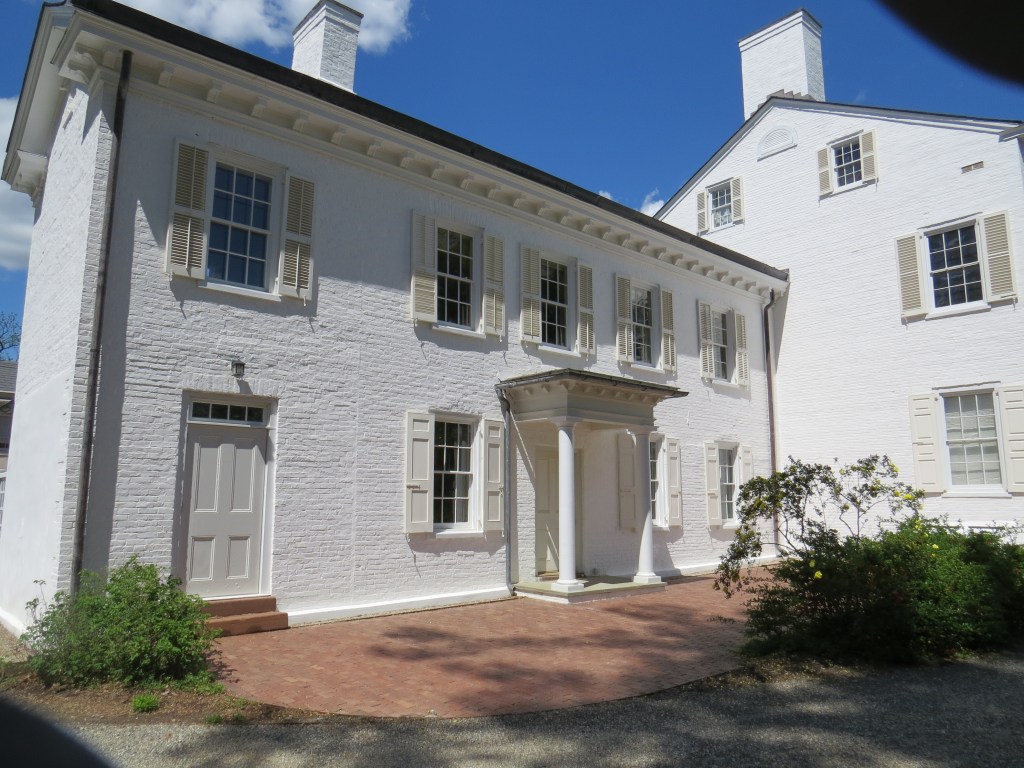
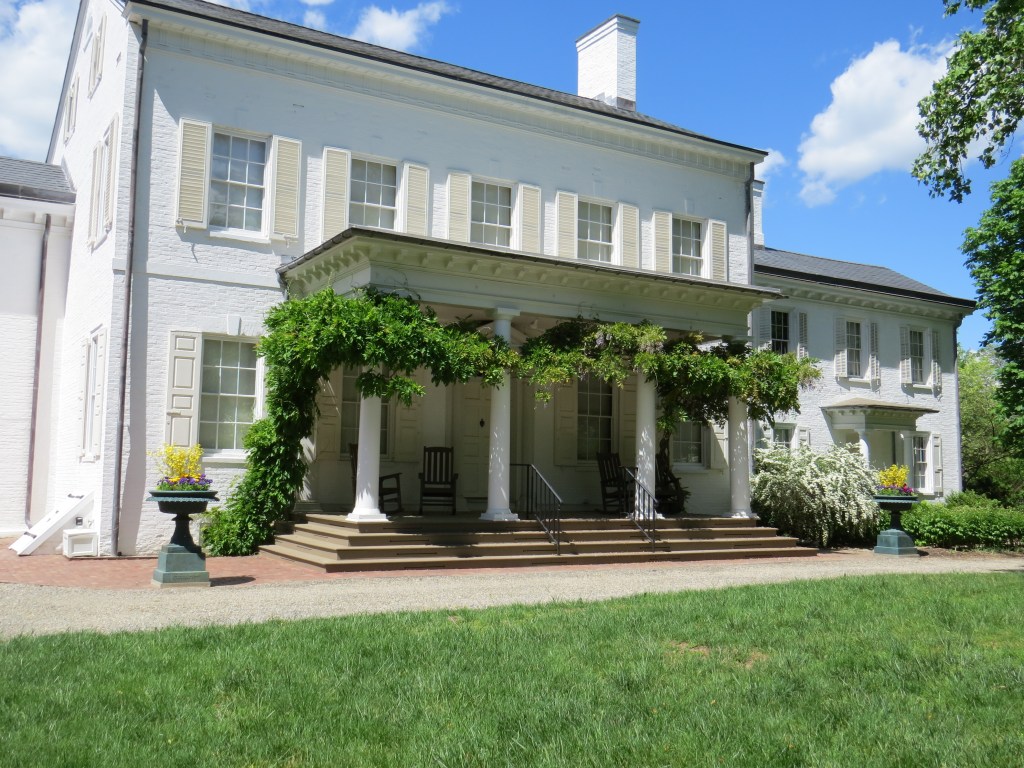
1754 Morven
Four more generations of Stocktons resided at Morven through the early 20th century before the property was leased to General Robert Wood Johnson, Chairman of Johnson & Johnson from 1928 to 1944. He was followed by five New Jersey governors when Morven served as the state’s first Governor’s Mansion (1945–1981). source
Morven is open for tours.
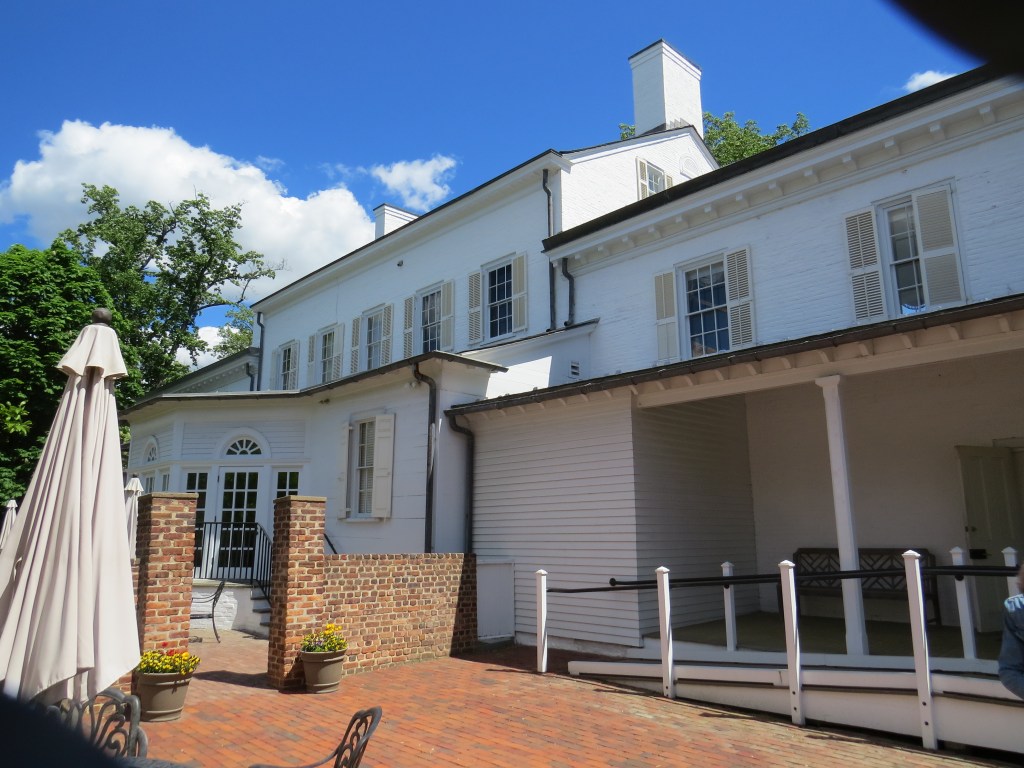
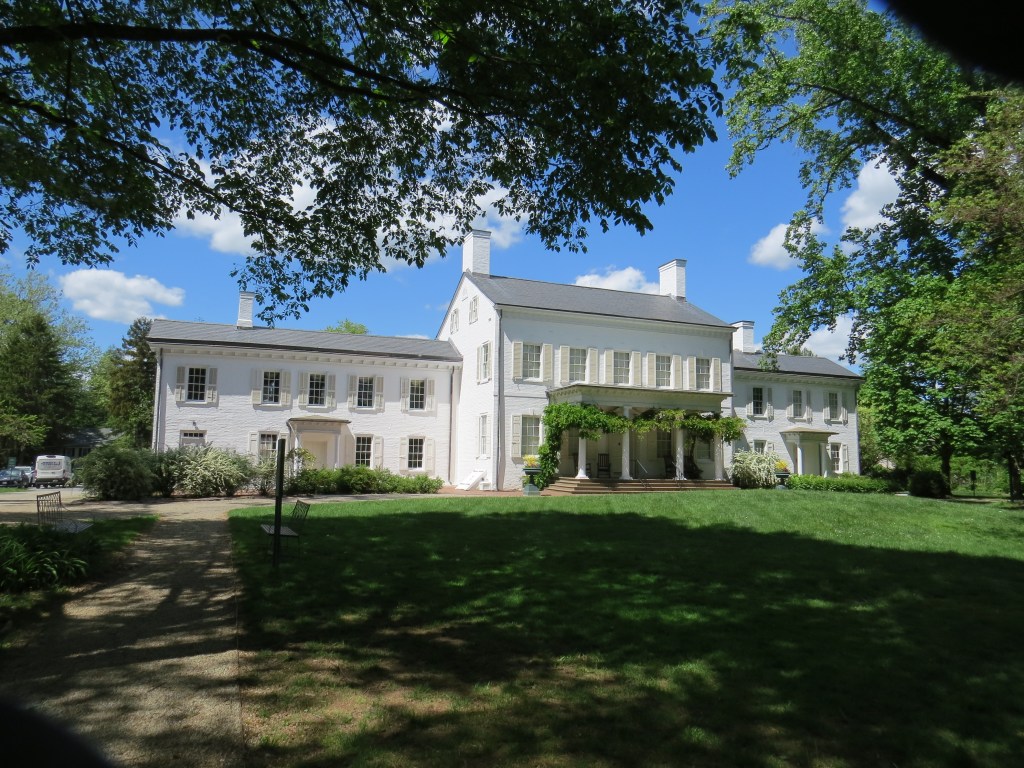
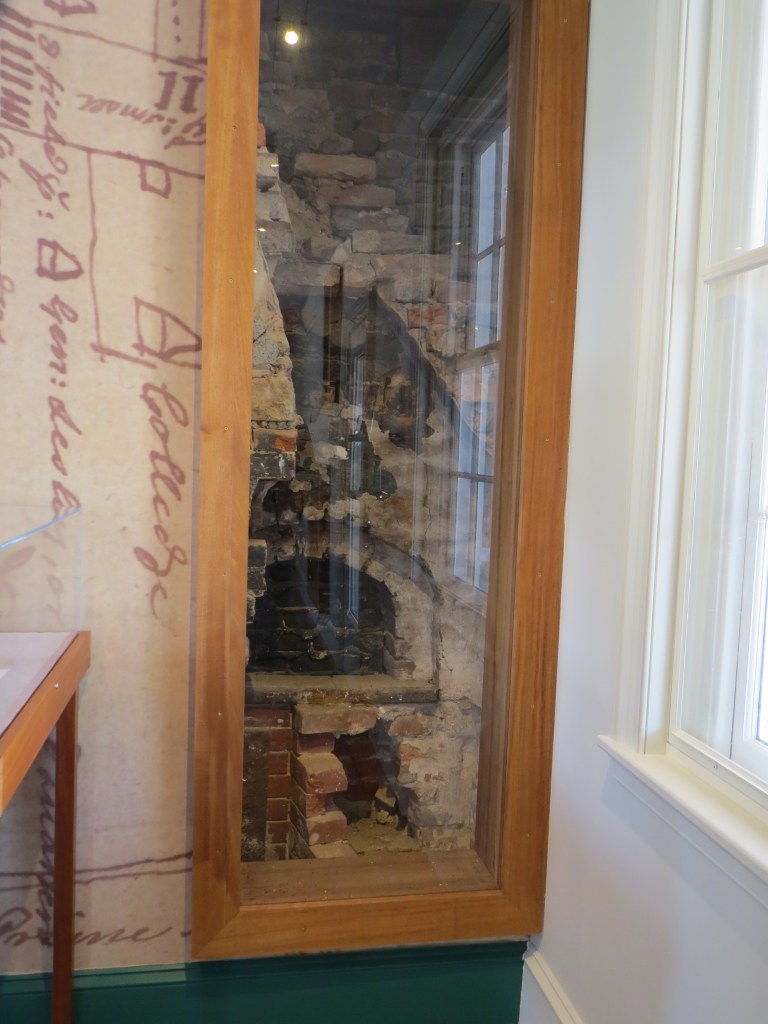
The remains of the Stockton’s great cooking hearth in the oldest section of the house. It would have been 9 feet wide.
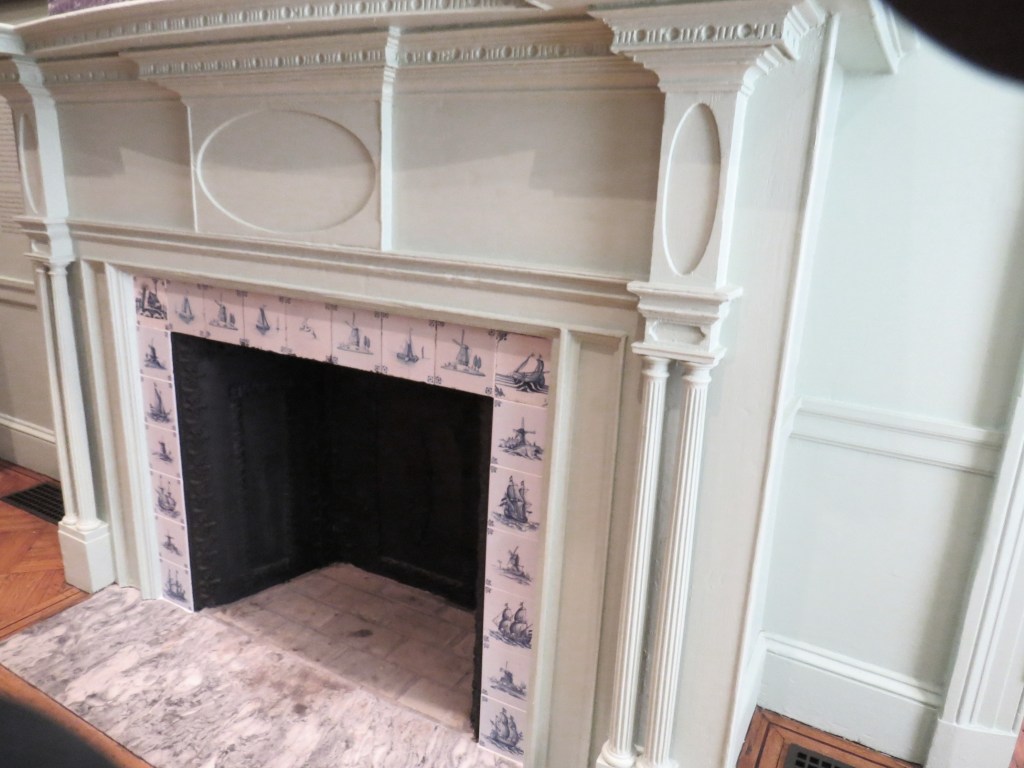
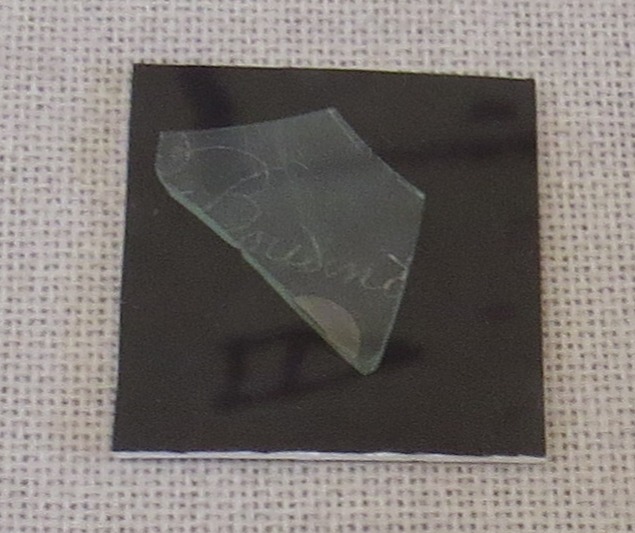
“Stockton and his wife Annis were close friends of General Washington. After Stockton’s death, Annis, one of America’s first published female poets, became a favorite correspondent of Washington. Washington and his wife Martha were frequent visitors to Morven.” source
1776 Capture and Imprisonment
Richared was a lawyer and appointed to the NJ Supreme Court in 1774. In 1776, he was elected to the Second Continental Congress and signed the Declaration of Independence in July of that year. In November 1776, as the Revolutionary War was coming closer and closer to Princeton and because of his involvement in the Congress and Declaration, Richard and his family fled Morven to, his friend and fellow lawyer, John Covenhoven’s home in Freehold, NJ. The Covenhoven family were members of William Tennent Jr.’s church, now known as Old Tennent. Richard was captured by loyalists at the home and turned over to the British. I have not found the location of the home yet.
Having “been dragged from his bed by night, stripped and plundered of his property, and carried by the way of Amboy to New York. At Amboy he was exposed to the severity of extremely cold weather, in the common gaol, which barbarity, together with his subsequent treatment in New York, laid the foundation of the disease which terminated his existence in 1781. On his removal to New York, he was ignominiously consigned to the in jail in New York City. and without the least regard for his rank, age, and delicate health, for some time treated with unusual severity. He was not only deprived of the comforts, but the necessaries, of life, having been left more than twenty-four hours without food, and afterward afforded a very coarse and limited supply. The inhuman treatment which he received, so repugnant to the principles of civilized warfare, and so intolerable to an individual who had been accustomed to all the comforts and delicacies of life, depressed his spirits and seriously affected his health…” Friday, January 3d, 1777. Resolved, that general Washington be directed to make immediate inquiry into the truth of this report, and if he finds reason to believe it well founded, that he send a flag to general Howe remonstrating against this departure from that humane procedure which has marked the conduct of these states to prisoners who have fallen into their hands” Biography of the Signers to the Declaration of Independence
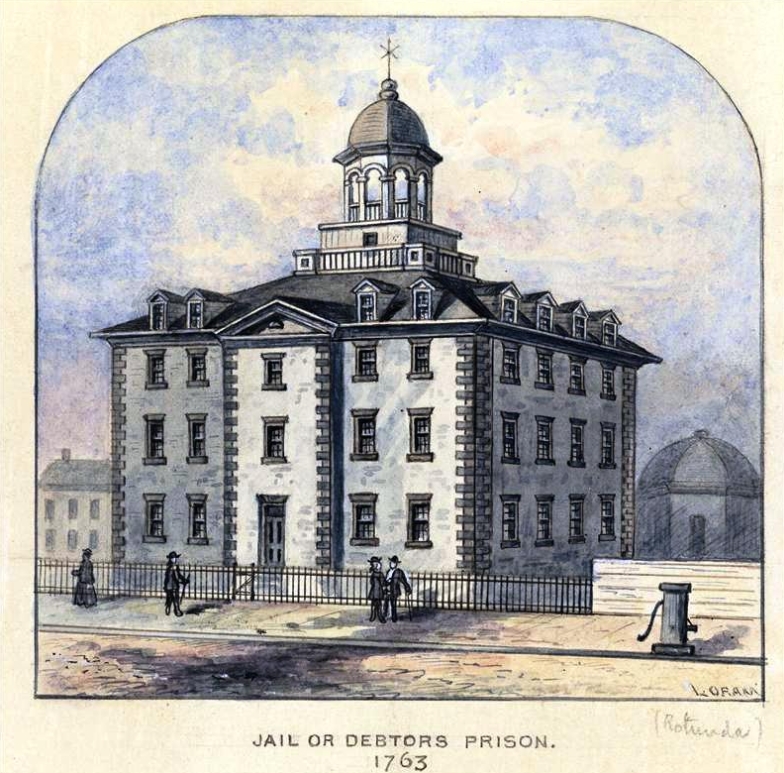
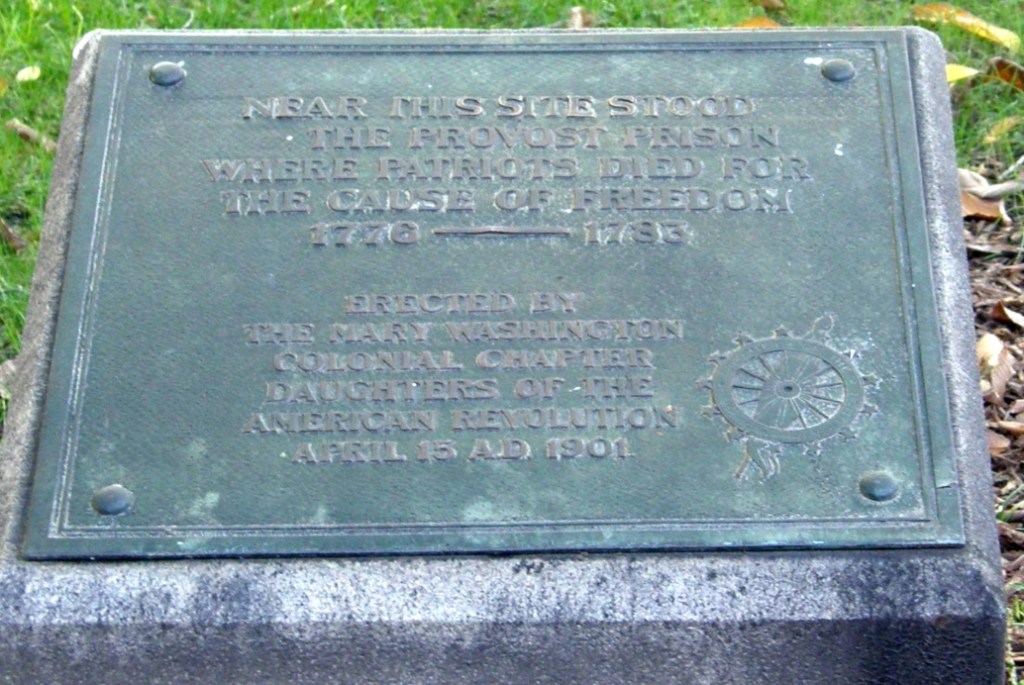
There is a marker behind City Hall in NYC remembering the location of this jail where many patriots suffered and died.
Stockton’s release was granted based on his promise not to take any further part in the rebellion. Morven was occupied by General Cornwallis during his imprisonment and ransacked in the days surrounding the battle of Princeton January 1777. The war also affected the college as the Battle of Princeton was fought on the grounds. The British took over Nassau Hall and Washington’s troops shot a canon that damaged it as well.
Richard was again present at the Trustees meeting that May discussing repairs to the building, but by Sept 1780 he was too ill to attend. His health was severely deteriorated from his time in prison; he now had cancer of the lip which spread to his throat.
His fortune, which had been ample, was greatly diminished, both by the depreciation of the continental currency, and the wanton depredations of the British army. His papers and library, one of the best possessed by any private citizen at that period, were burned; his domestic animals, (particularly his fine stock of horses,) and almost all his personal property, were plundered or destroyed, and his farm laid waste. Mr. Stockton now found himself the proprietor of little more than his devastated lands, and was compelled to have recourse to the temporary aid of some of his friends, whose losses had been less extensive, for a present supply of such articles of necessity as were essential to relieve the pressure of absolute suffering. It is not remarkable that these complicated afflictions entirely destroyed his health and spirits, during the declining years of his life. He languished a long time, oppressed with a protracted malady, the last stages of which were rendered peculiarly distressing by a malignant cancerous affection, and died on the twenty-eighth day of February, 1781, at his residence near Princeton, in the county of Somerset, in the fifty-first year of his age.* Previous to interment, his remains were conveyed to the college hall, where, in the presence of a numerous and afflicted audience, consisting of the friends, relatives, and fellow citizens, of the deceased patriot, and the students of the college, an interesting funeral discourse was delivered by the Rev. Doctor Samuel S. Smith, then vice president of that celebrated seat of science. Mr. Stockton was afflicted with a cancer in the neck, and for many months the pain was so extreme, that he could not enjoy the least repose without the aid of anodyne medicines. source
He wrote his Last Will and Testament in May 1780.
| “I, Richard Stockton, being sick and weak in body but sound of memory, do make and ordain this my last Will and Testament in manner and forme following:“First, I bequeath my soule into the hands of Almighty God and my body to be buried at the discretion of my executors hereby named, in hopes through the merrits of Jesus Christ to obtain a joyfull resurrection |
…as my children will have frequent occasion of perusing this instrument, and may probably be particularly impressed with the last words of their father, I think it proper here not only to subscribe to the entire belief of the great and leading doctrines of the Christian Religion,
such as the Being of God,
the universal defection and depravity of human nature,
the divinity of the person and the completeness of the redemption purchased by the blessed Saviour,
the necessity of the operations of the divine Spirit; of divine Faith, accompanied with an habitual virtuous life,
and the universality of the divine Providence
but also, in the bowels of a father’s affection, to exhort and charge them, that the fear of God is the beginning of wisdom, that the way of life held up in the Christian system, is calculated for the most complete happiness that can be enjoyed in this mortal state; that all occasions of vice and immorality is injurious either immediately or consequentially; even in this life; that as Almighty God hath not been pleased in the holy Scriptures to prescribe any precise mode in which he is to be publickly worshipped,all contention about it generally arises from want of knowledge or want of virtue.
I have therefore no particular advice to leave with my children upon this subject, saving that they deliberately and conscienciously, in the beginning of life, determine for themselves, with which denomination of Christians they can, the most devoutly and profitably worship God; that after such determination they statedly adhere to such denomination without being given to change; and without contending with or judging others who may think or act differently upon a matter so immaterial to substantial virtue and piety. That distinguished abilities, stations and authority are only desireable as occasions of doing greater private and public good, but that their footsteps being invariably masked with envy and opposition, make them enemies to private peace, and therefore unless public life is evidently pointed out by divine providence it should rather be avoided than coveted. Of the temporal estate with which it hath pleased Almighty God in his bountiful providence to bless me, I hereby make the disposition following…” “I, Richard Stockton, being sick and weak in body but sound of memory, do make and ordain this my last Will and Testament in manner and forme following: …”

Sept 27, 1780 – “Mr. Stockton on account of his indisposition had leave of absence.” Trustees’ minutes
“…Oh! could I take the fate to him assign’d! And leave the helpless family their head!
Annis writes a poem as she grieves his illness and impending death.
How pleas’d, how peaceful, to my lot resign’d, I’d quit the nurse’s station for the bed.
O death! thou canker-worm of human joy! Thou cruel foe to sweet domestick peace!
He soon shall come, who shall thy shafts destroy, And cause thy dreadful ravages to cease.
Yes, the Redeemer comes to wipe the tears, The briny tears, from every weeping eye.
And death and sin, and doubts, and gloomy fears, Shall all be lost in endless victory.
He died February 28, 1781, at age 50. His children were 22, 20, 17, 13, and 8.
“His fortune, which had been ample, was greatly diminished, both by the depreciation of the continental currency, and the wanton depredations of the British army. His papers and library, one of the best possessed by any private citizen at that period, were burned; his domestic animals, (particularly his fine stock of horses,) and almost all his personal property, were plundered or destroyed, and his farm laid waste.
Mr. Stockton now found himself the proprietor of little more than his devastated lands and was compelled to have recourse to the temporary aid of some of his friends, whose losses had been less extensive, for a present supply of such articles of necessity as were essential to relieve the pressure of absolute suffering. It is not remarkable that these complicated afflictions entirely destroyed his health and spirits, during the declining years of his life.
He languished a long time, oppressed with a protracted malady, the last stages of which were rendered peculiarly distressing by a malignant cancerous affection, and died on the twenty-eighth day of February, 1781, at his residence near Princeton, in the county of Somerset, in the fifty-first year of his age. Previous to interment, his remains were conveyed to the college hall, where, in the presence of a numerous and afflicted audience, consisting of the friends, relatives, and fellow citizens, of the deceased patriot, and the students of the college, an interesting funeral discourse was delivered by the Rev. Doctor Samuel S. Smith, then vice president of that celebrated seat of science. Mr. Stockton was afflicted with a cancer in the neck, and for many months the pain was so extreme, that he could not enjoy the least repose without the aid of anodyne medicines.” Biography of the Signers to the Declaration of Independence
At his funeral Samuel Smith said,
“As a Christian, you know that, many years a member of this church, he was not ashamed of the gospel of Christ. Nor could the ridicule of licentious wits, nor the example of vice in power, tempt him to disguise the profession of it, or to decline from the practice of its virtues. He was, however, liberal in his religious principles. Sensible, as became a philosopher, of the rights of private judgment, and of the difference in opinion that must necessarily arise from the variety of human intellects, he was candid, as became a Christian, to those who differed from him, where he observed their practice marked with virtue and piety. But if we follow him to the last scene of his life, and consider him under that severe and tedious disorder which put a period to it, there the sincerity of his piety, and the force of religion to support the mind in the most terrible conflicts, was chiefly visible. For nearly two years he bore, with the utmost constancy and patience, a disorder that makes us tremble only to think of it. With most exquisite pain it preyed upon him, until it reached the passages by which life is sustained: yet, in the midst of as much as human nature could endure, he always discovered a submission to the will of heaven, and a resignation to his fate, that could only flow from the expectation of a better life. “Such was the man whose remains now lie before us to teach us the most interesting lessons that mortals have to learn — the vanity of human things — the importance of eternity — the holiness of the divine law — the value of religion, and the certainty and rapid approach of death.” source
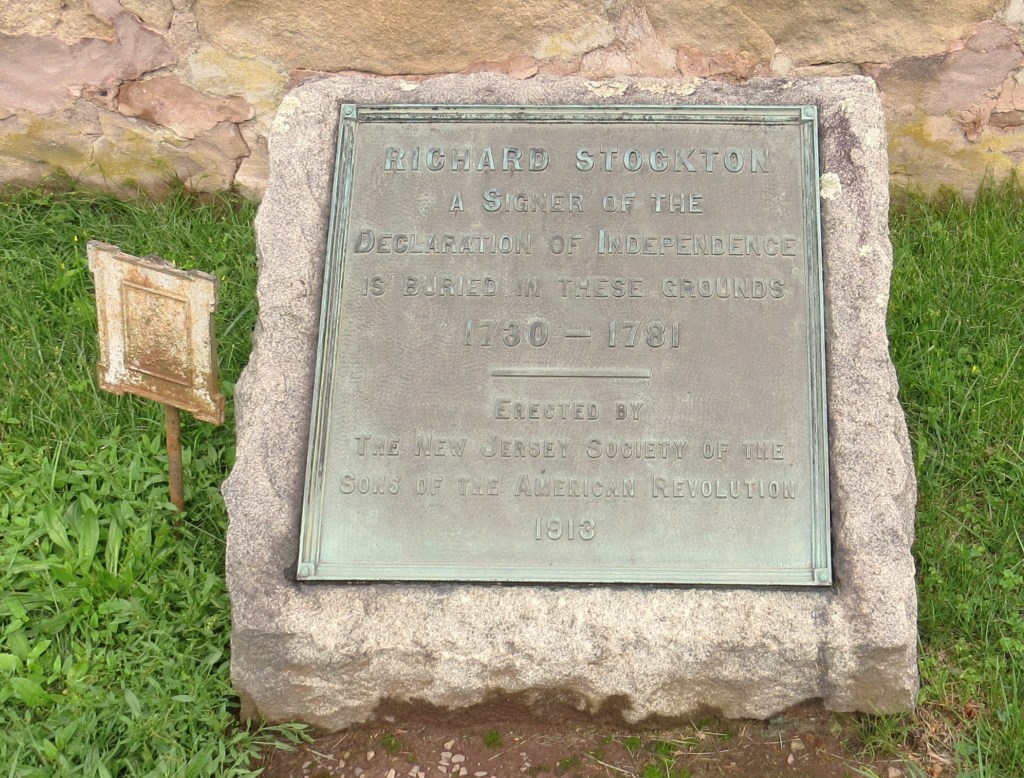
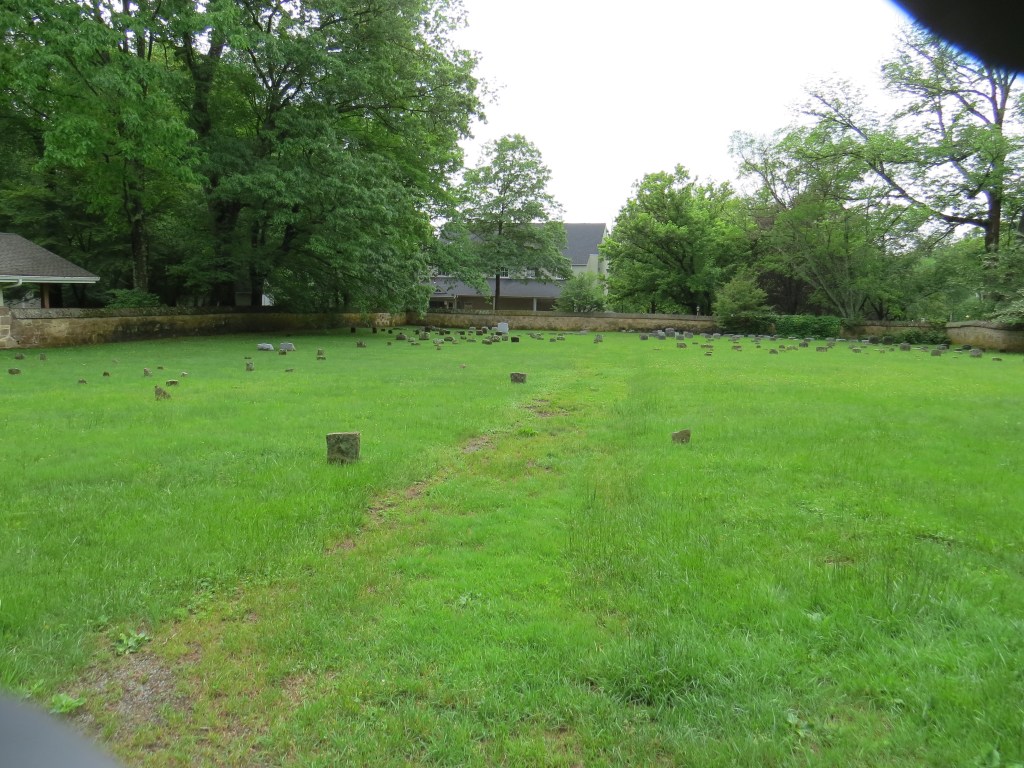
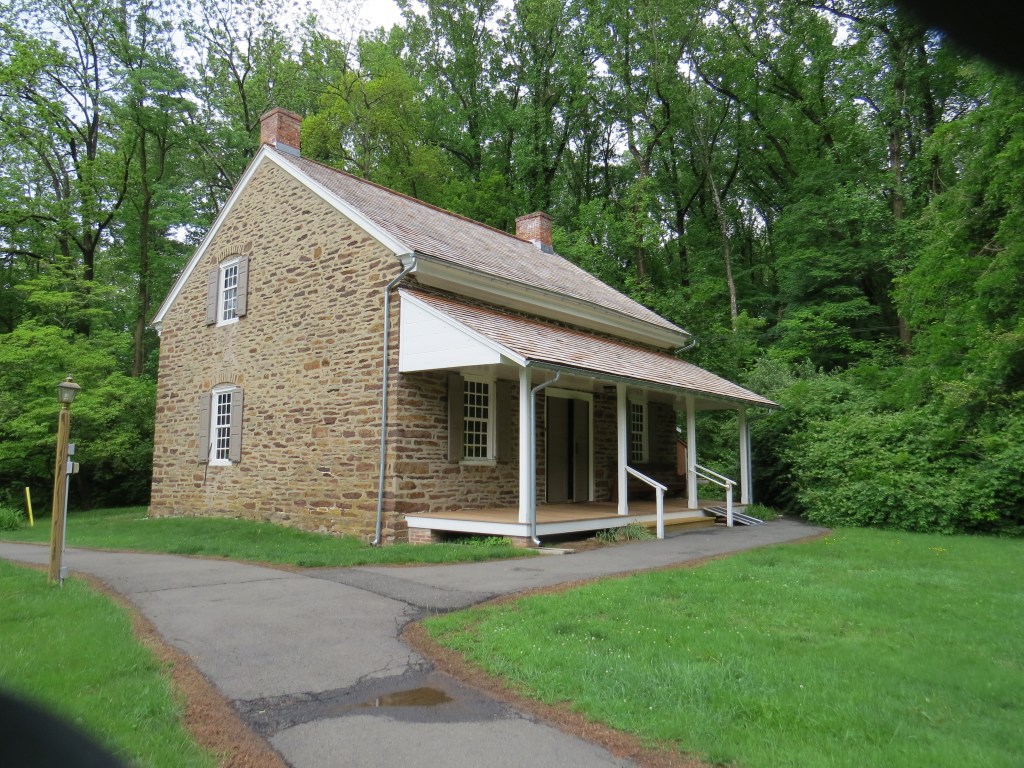
Richard is buried at the Stony Brook Meeting House in Princeton. This is presumably where his Quaker relatives were buried. The caretaker told me that the graves were minimal and so the majority of ancient graves are buried in the grassy section without markers. A memorial reminds visitors of his body buried in these grounds.
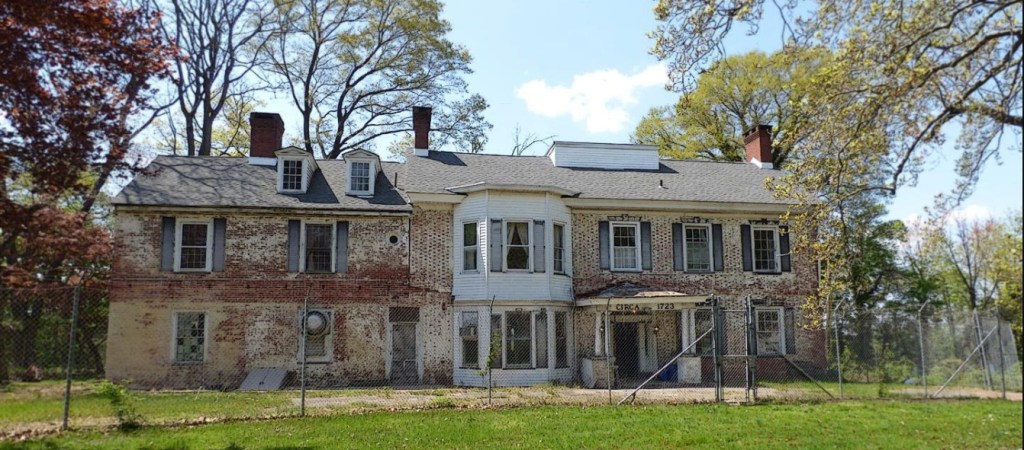
Annis lived at Morven until her son took over the property. She went to live at White Hill Mansion in Burlington County with her daughter, Abigail Stockton Field, and is presumably buried there although the specific location is unknown.
 Beside Old Hearthstones - An American Evangelical Church History Tour
Leave a comment