a tour focused on his New Jersey ministry
Driving map to locations mentioned
“Brainerd’s life is a vivid, powerful testimony to the truth that God can and does use
John Piper
weak, sick, discouraged, beat down, lonely, struggling saints
who cry to him day and night to accomplish amazing things for His glory.
There is great fruit in their afflictions.”
Born: April 20, 1718 Haddam, Conn.
Died: October 9, 1747 Northampton, Mass
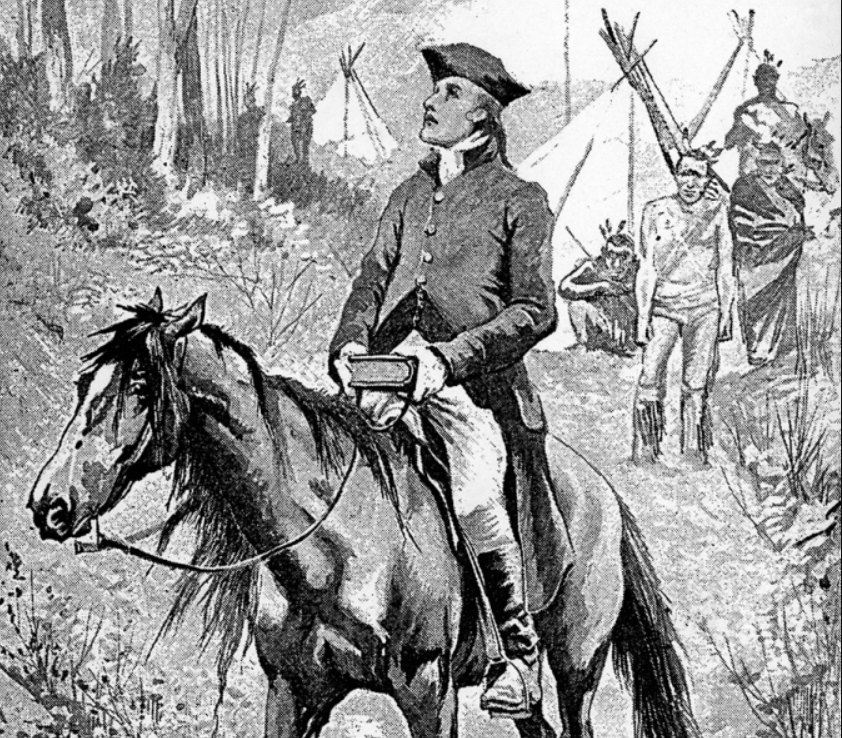
He was only 29 when he died…his gravestone simply says, “A faithful and laborious missionary to the Stockbridge, Delaware and Susquehanna tribes of Indians.” But in truth David Brainerd’s life sacrifice reached out and touched the whole world, challenging more people into Christian service than perhaps any other man that ever lived. The mere mention of the name, Brainerd, automatically triggers the mind to think of dedication in a way that perhaps has never been equaled. He would travel 15,000 miles on horseback. One small compelling book — David Brainerd’s Journal which he kept from June 19, 1745, to June 19, 1746, plus his diaries of his days before and after this time are still used of God today to inspire and convict the Christian world in the matter of Christian service. source
1745 – Crossweeksung, NJ
185 Sawmill Rd, Crosswicks
Current day Crosswicks is the spot where the Indians would have settled just outside town. “The Crossweeksung mission was likely centered at what is still known as Brainerd’s Spring, located north of Crosswicks Creek, at the stream two-thirds of a mile east of the Old York Road. (near this pin) The mission consisted of twenty Indian houses all within one-quarter mile of Brainerd’s cabin.” Source
From his diary he writes:
June 1745-“upon hearing that there was a number of Indians in and about a place called (by the Indians) Crossweeksung in New Jersey, near fourscore miles southeastward from the Forks of Delaware, I determined to make them a visit and see what might be done towards the Christianizing of them and accordingly arrived among them this day.”
Aug 1745 “God was pleased to pour upon them a spirit of awakening and concern for their souls, and surprisingly to engage their attention to divine truths…Their convictions of their sinful and perishing state having, in my absence from them, been much promoted by the labors and endeavors of the Rev. Mr. William Tennant, to whom I had advised them to apply for direction, and whose house they frequented much while I was gone.”
Oct 1745 “more saved”
Nov 1745 “at Crossweeksung”
1746 – Cranbury, NJ
3 Cranbury Neck Rd, Cranbury
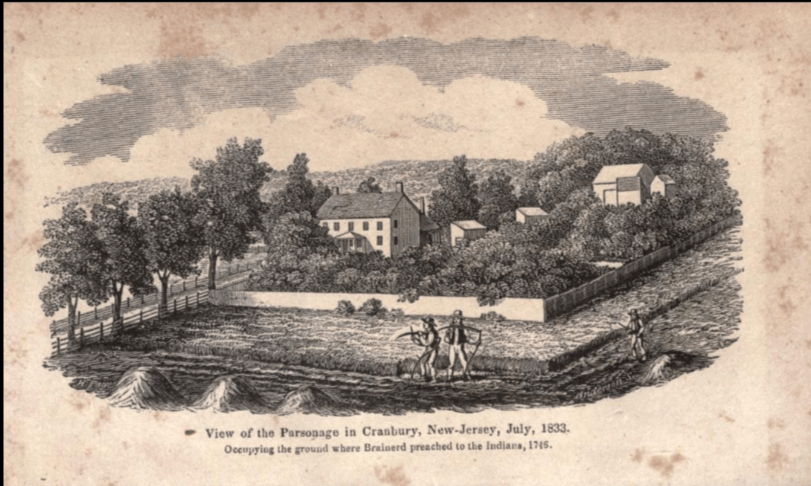
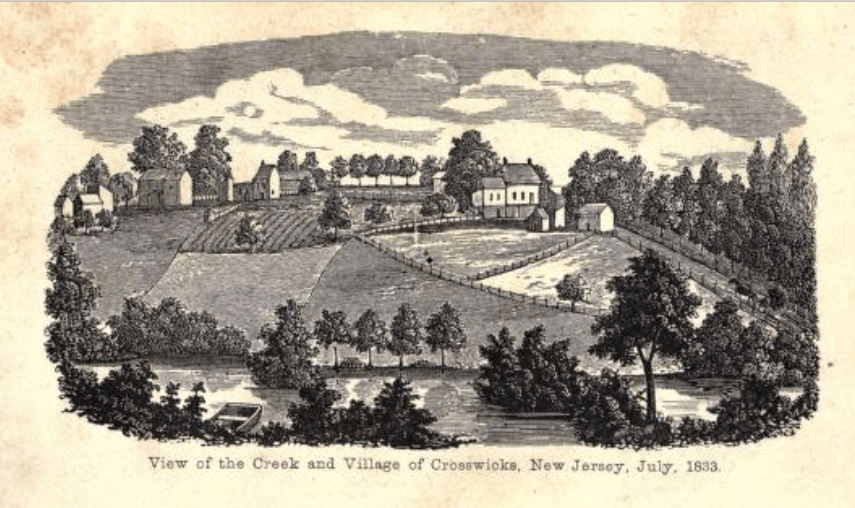
“View of the parsonage in Cranbury, NJ, July 1833. Occupying the ground where Brainerd preached to the Indians, 1746”
In the spring of 1746, David helped the entire Native American Christian community from Crossweeksung move to Cranbury to have their own land and village. He stayed with these Indians until he grew too sick with tuberculosis to preach. In his journal written from Crossweeksung, March 24, 1746 “My people went out this day upon the design of clearing some of their land, above fifteen miles distant from this settlement” by May 4 they are settled in Cranbury. The village would be known as Bethel.
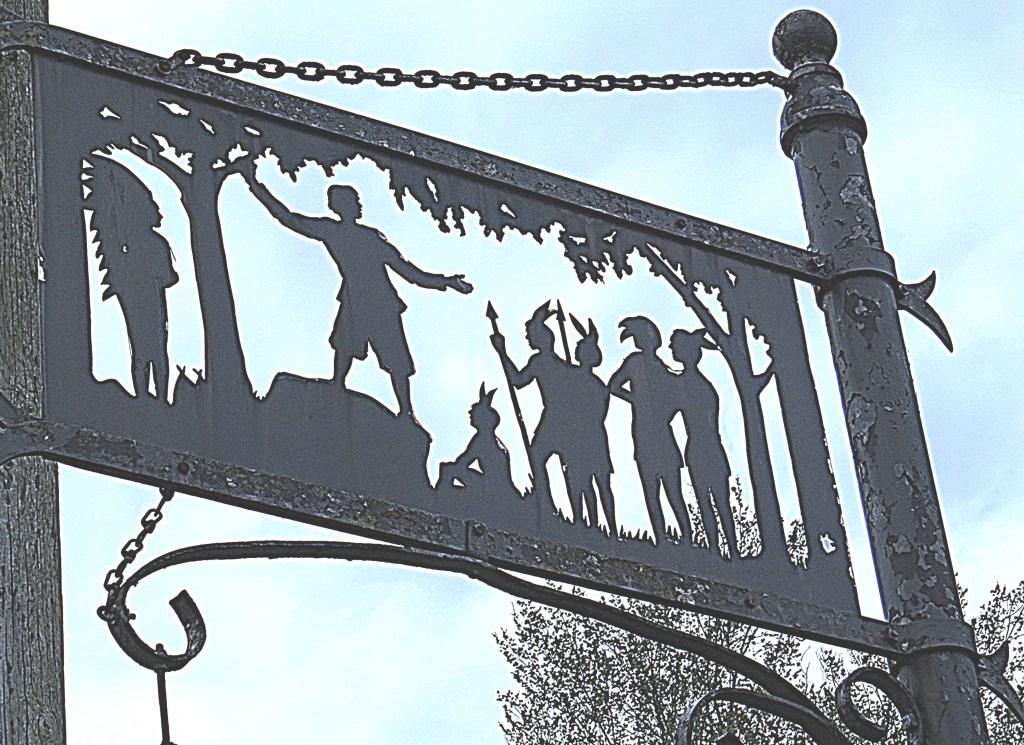
David was friendly with Charles McKnight pastor of the church in Cranbury, often preaching for one another. Apparently, a meeting house was built in the highest section of the cemetery behind the current church building in 1740, and in 1759 150 acres were purchased for the Parsonage Plantation. This was possibly the same ground Brainerd preached to the Indians. (pic above) According to the church history page, “It was in 1746 that David Brainerd first worked among the Lenape Tribe in the area. A giant elm stood at the north end of the village, under which some of the Cranbury people heard the devoted missionary speak to converts in the Lenape Tribe. Friendly relations existed between Charles McKnight, the first installed pastor of the Cranbury church, and Brainerd, leading them often to preach for each other.”
“Set out from New Brunswick with a design to visit some Indians at a place called Crossweeksung in New Jersey, towards the sea. In the afternoon, came to a place called Cranberry, and meeting with a serious minister, Mr. Macknight, I lodged there with him. Has some enlargement and freedom in prayer with a number of people.”
Tues, June 18, 1745 journal
Charles McKnight’s home where David once stayed is still standing at 10 Symmes Court Cranbury, NJ
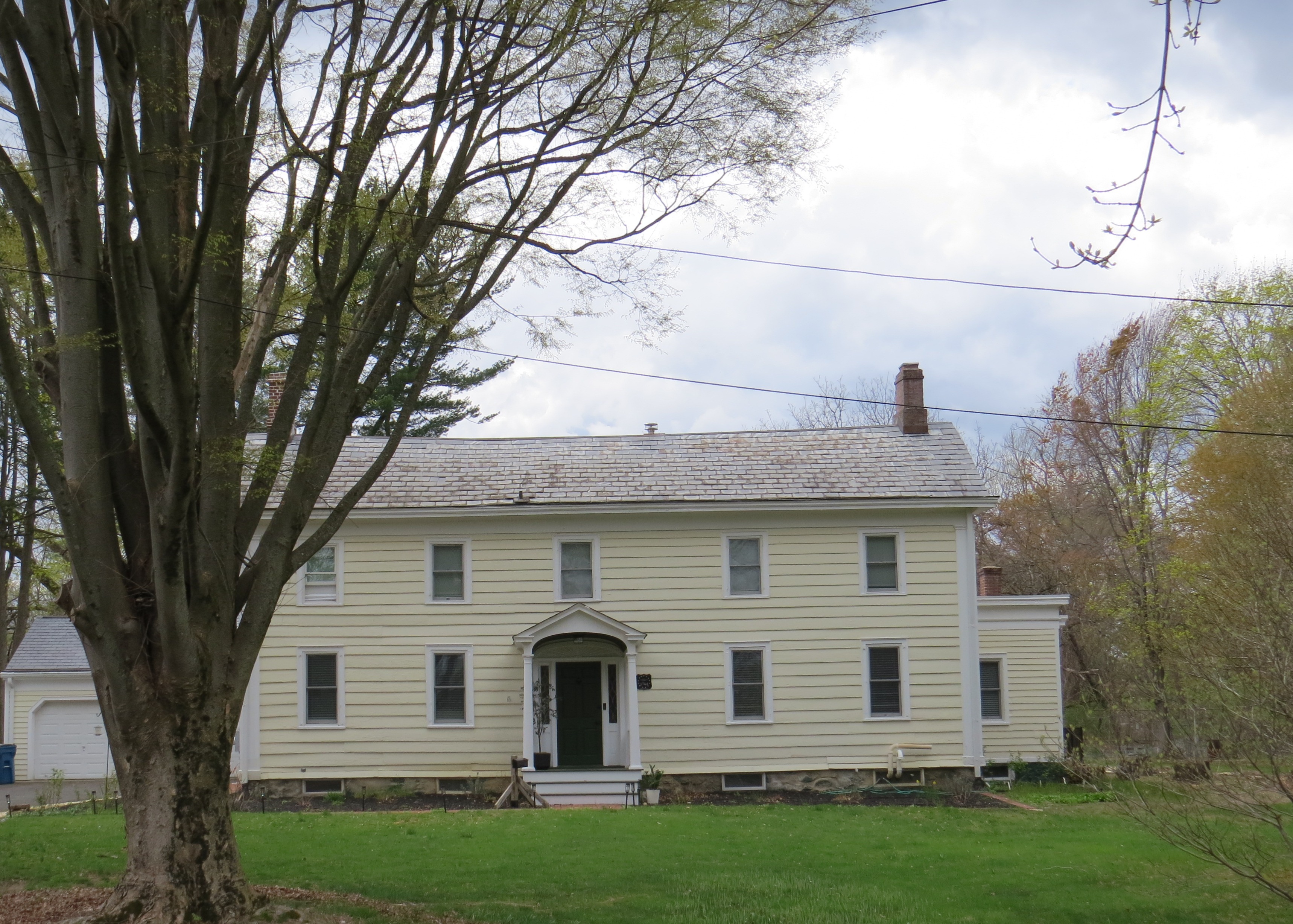
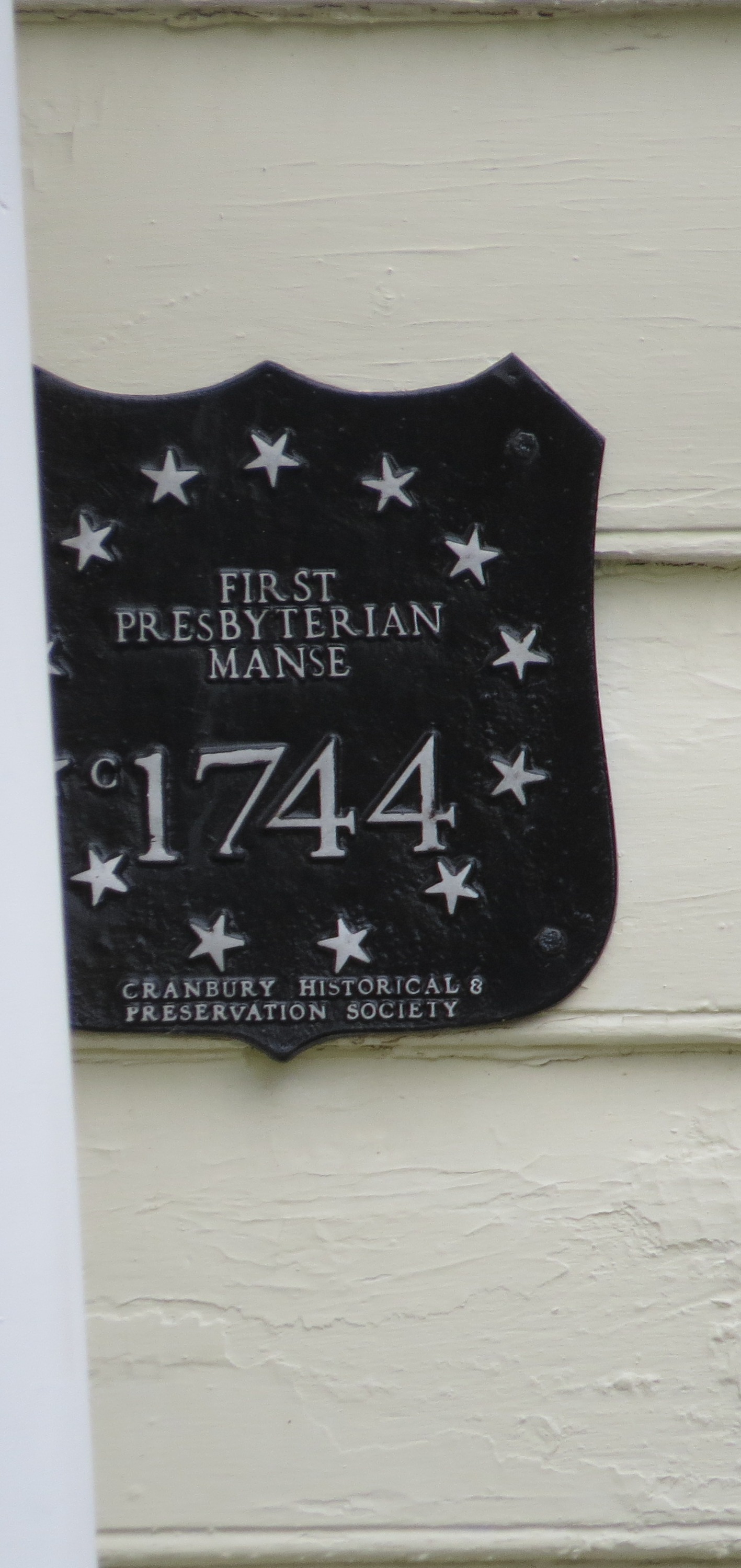
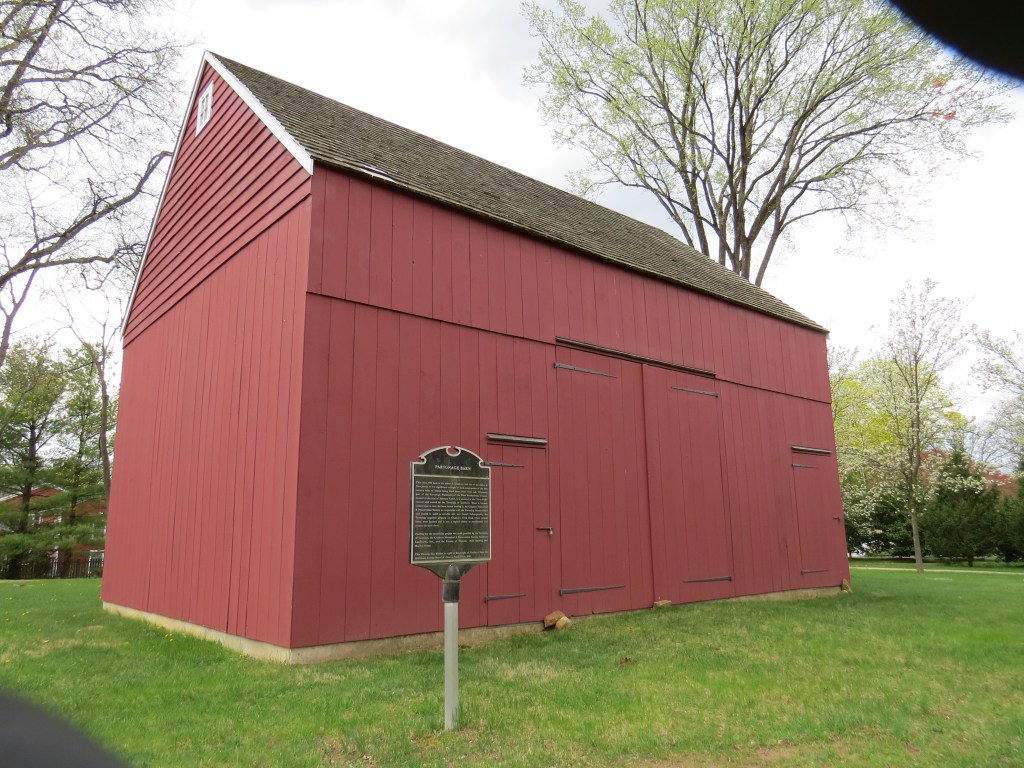
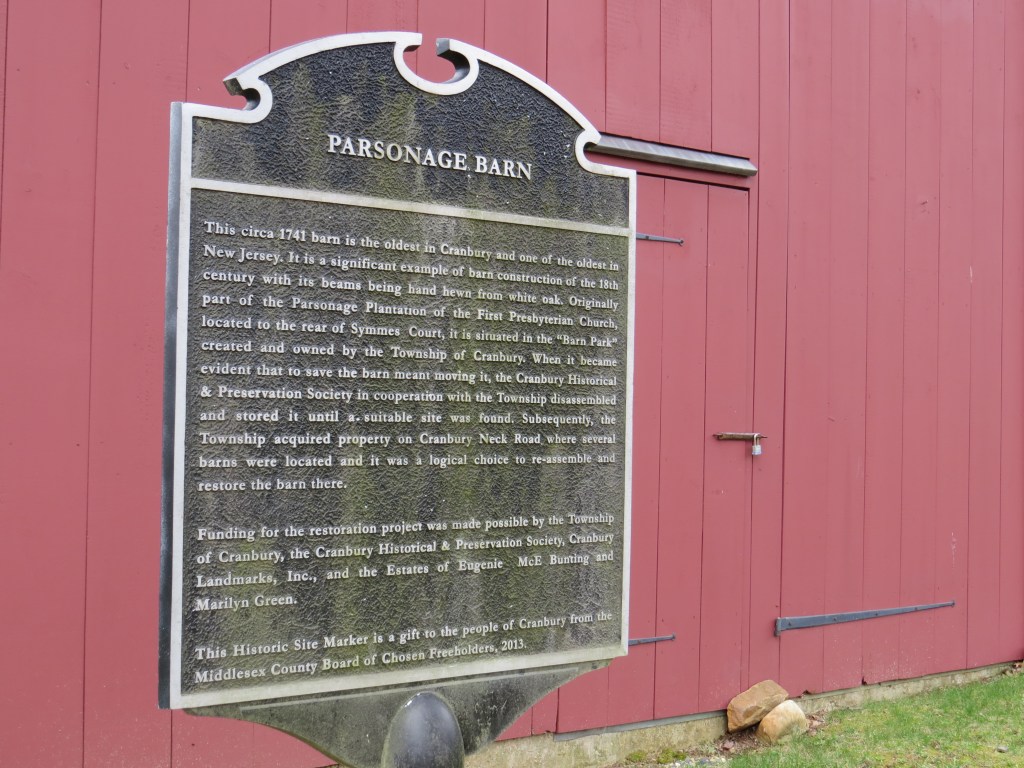
The Parsonage barn is still in existence at 3 Cranbury Neck Rd, Cranbury
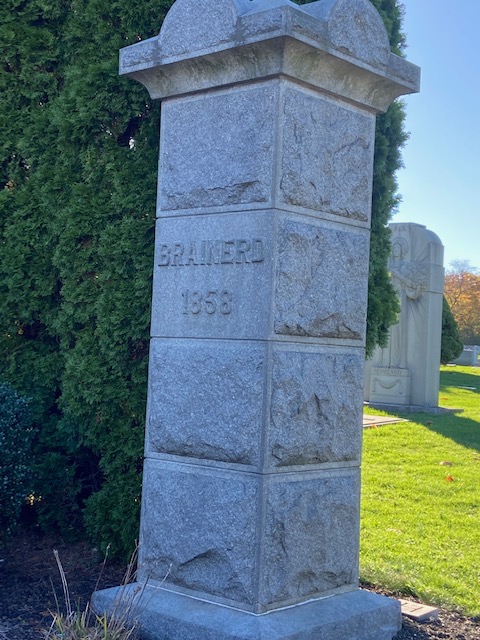
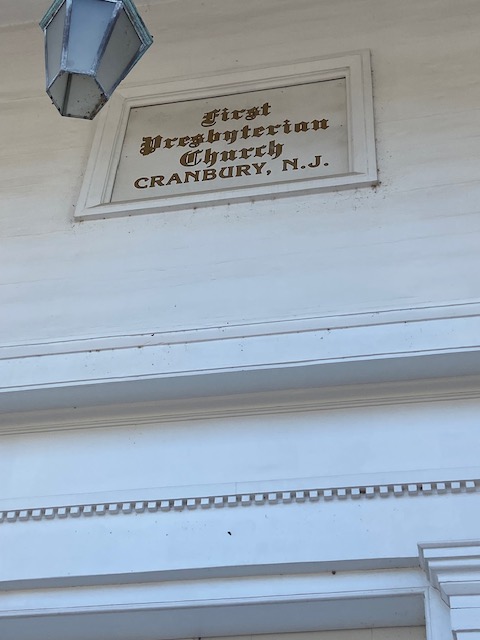
First Presbyterian Church and Brainerd Cemetery 22 S Main St, Cranbury
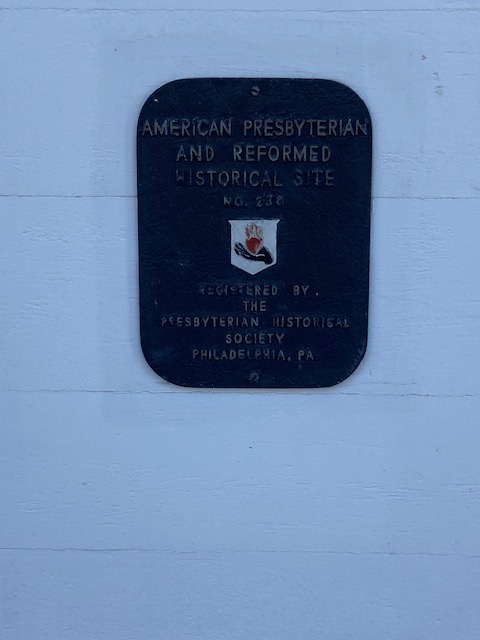
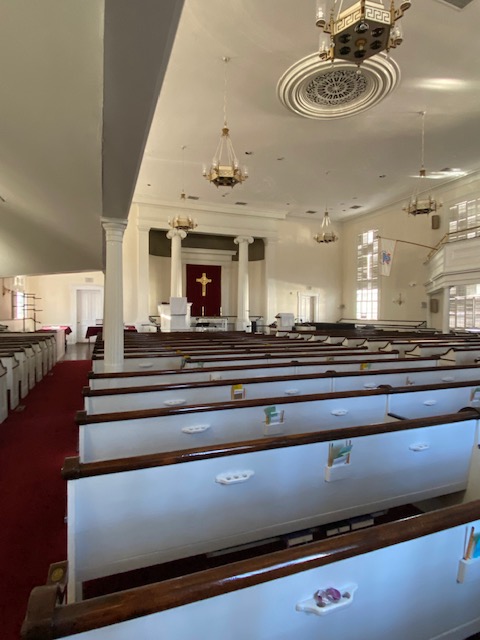
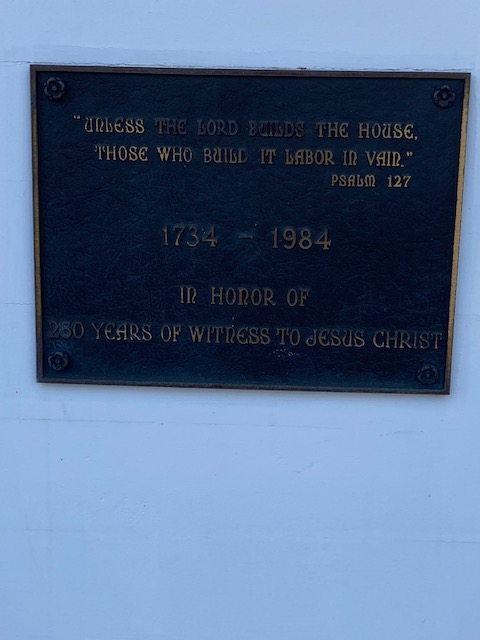
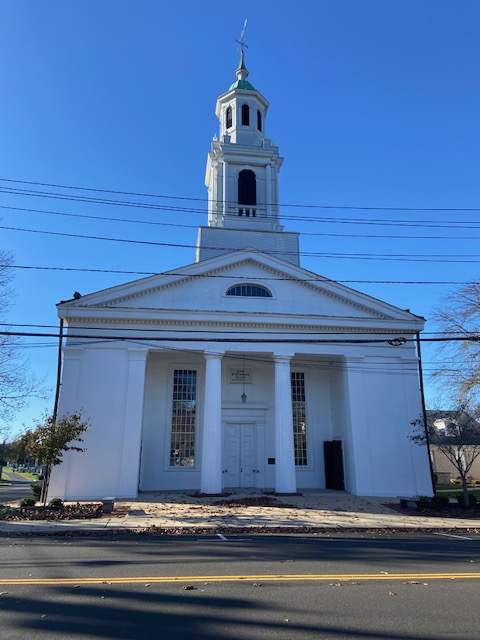
On October 6, 1746 he spent the day preaching to the Indians at Cranbury, having the Lord’s Supper with 40 of his converts and baptizing two adults.
Then on November 3, 1746 he left for Elizabethtown too sick to continue to serve them. This was his last day as pastor of his flock in Cranberry. “Before I left my people, I visited them all in their respective houses, and discoursed to each one…I scarcely left one house but some were in tears.” He managed to make one last visit on March 18-20, 1747 after a winter of illness in Elizabethtown .
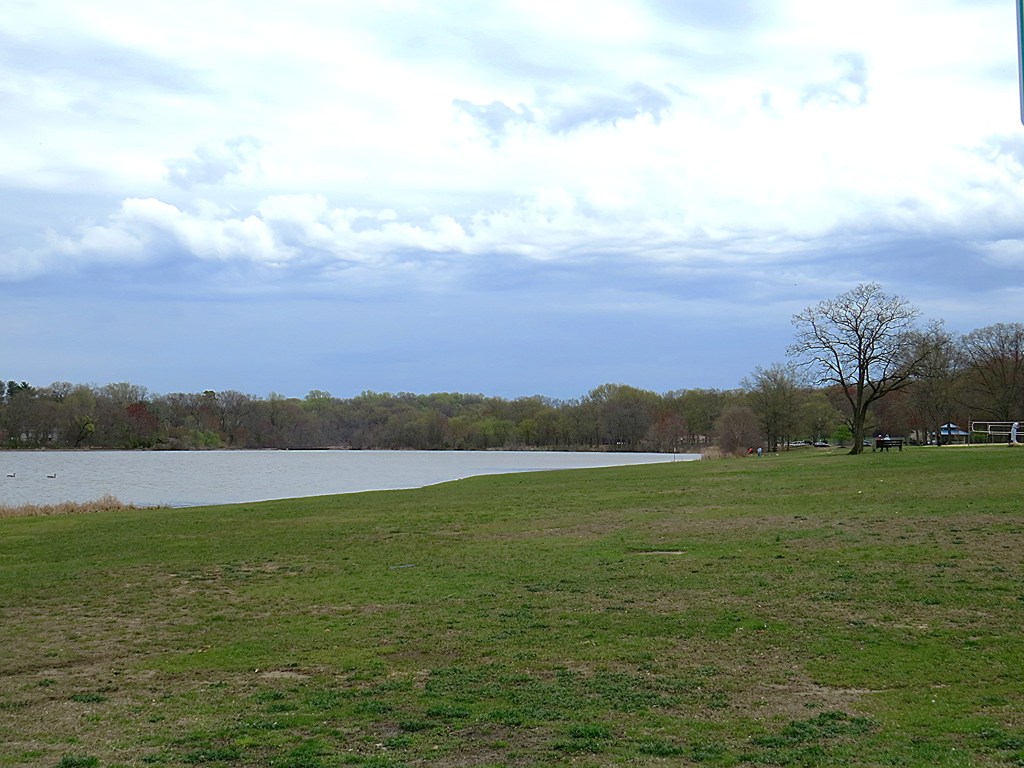
This site makes the case for Bethel to be located in what is now known as Thompson Park nearby the town of Cranbury.
Thompson Drive and Lakeview Ave, Monroe Township
Interesting side notes:
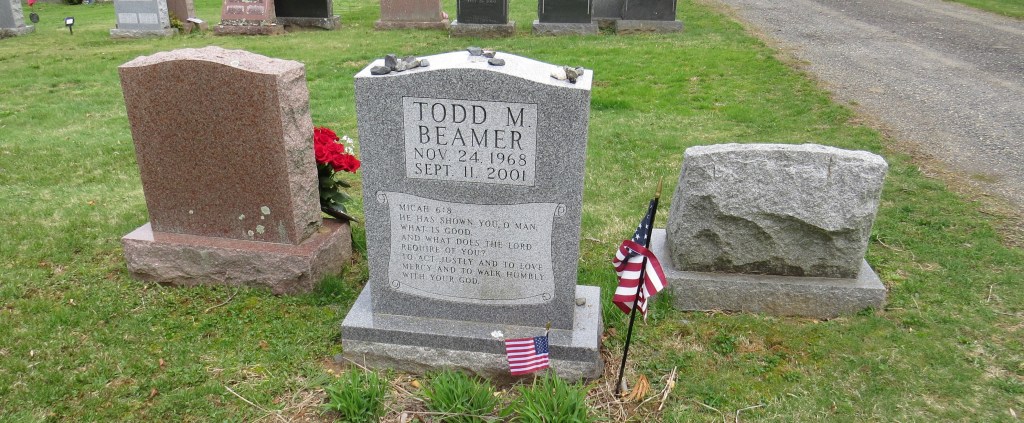
Todd Beamer, who died on 9/11 in the plane that crashed near Pittsburgh is buried in Brainerd Cemetery. He was living in Cranbury at the time of his death.
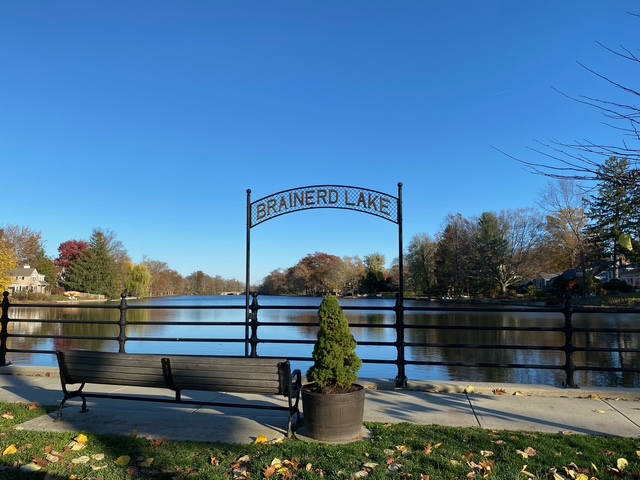
Brainerd Lake is also in Cranbury named in remembrance of the beloved missionary.
1746 Freehold, NJ
448 Tennent Rd
In the summer of 1746, David Brainerd, and the Indians he served, joined the Rev. William Tennent for the Sunday service as they lived in the vicinity. The table he served communion from is still in the Old Tennent church.
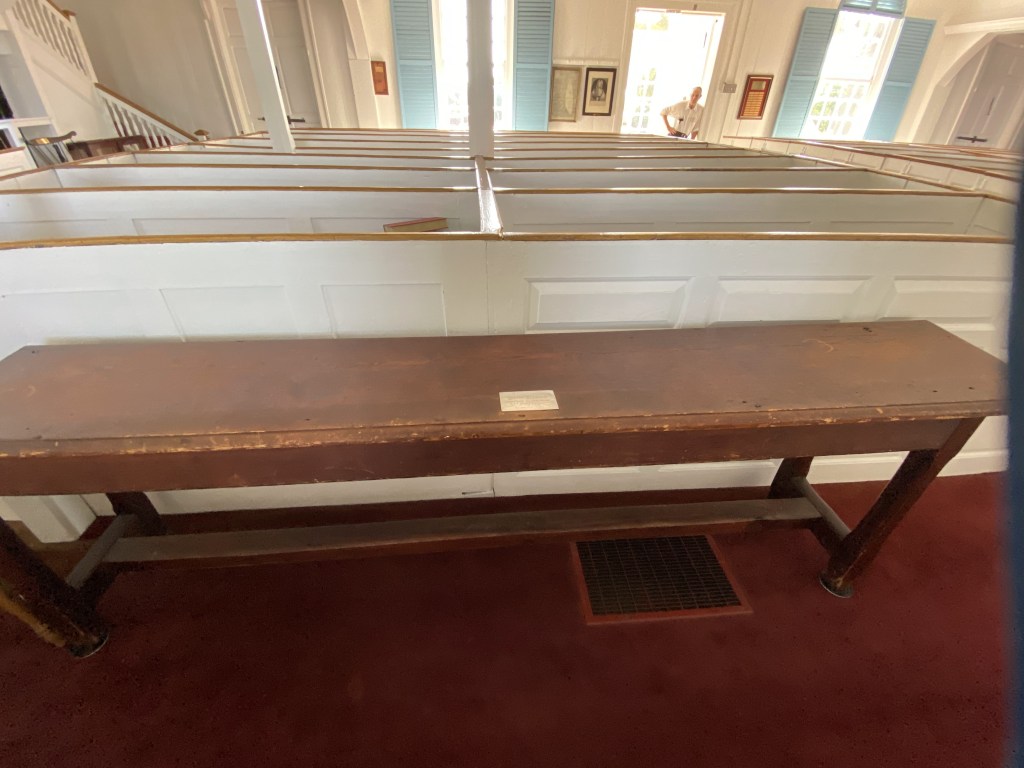
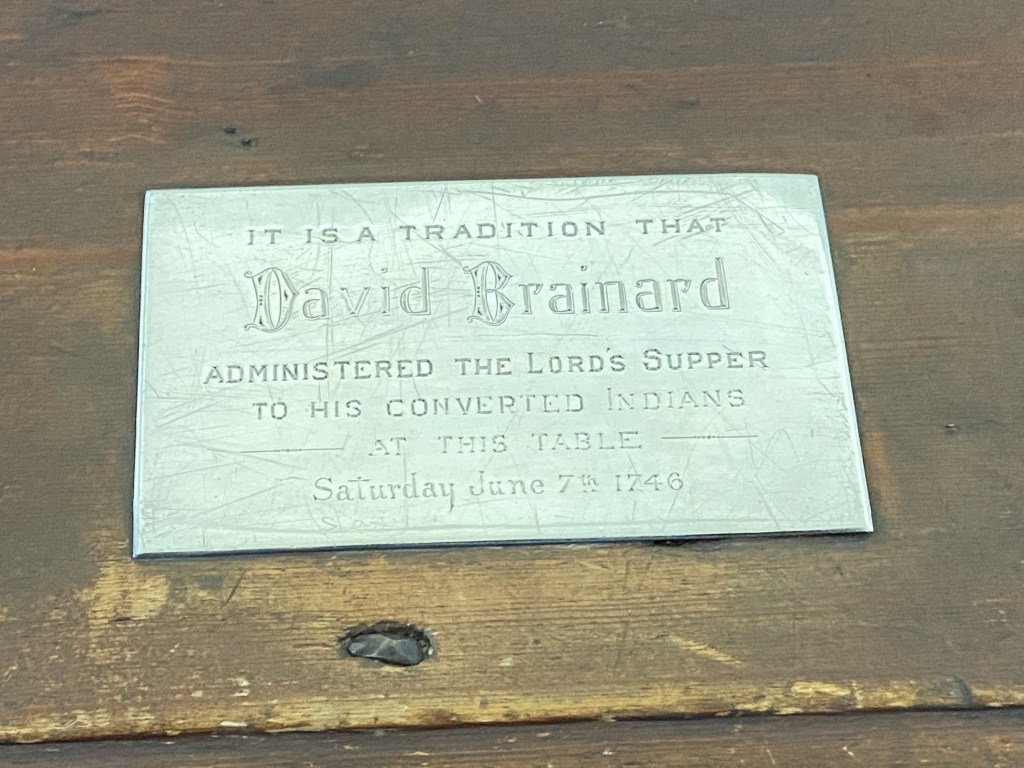
June 7, 1746 journal entry “I was desired by the Rev William Tennent to be his assistant in the administration of the Lord’s Supper; my people also being invited to attend the sacramental solemnity, they cheerfully embraced the opportunity, and this day attended the preparatory services with me.”
June 8, 1746-Lord’s Day – “Most of my people who had been communicants at the Lord’s Table before, being present at this sacramental occasion, communicated with others in this holy ordinance.”
July 10, 1746 “Spent most of the day in writing. Towards night rode to Mr. Tennent’s and enjoyed some agreeable conversations.”
In August 1746 William Tennent writes, “”As I live not far from the Indians, I have been much conversant with them, both at their own place, and in my own parish, where they generally convene for public worship in Mr. Brainerd’s absence, and I think it my duty to acknowledge, that their conversation, hath often, under God, refreshed my soul.”…
Learning Resources:
The Life and Diary of David Brainerd: With Notes and Reflections (book)
Who Was David Brainerd? (Ligonier article)
Brainerd’s Letters and Writings (website)
Living on the Brink of Eternity: A Biographical Sketch of David Brainerd by Brad Klassen (audio)
The Indomitable Brainerd – Theology on the Go (audio)
David Brainerd Missionary to the American Indians Online | Vimeo
Additional information:
A first-edition copy of “An Account of the Life of the Late Reverend Mr. David Brainerd, Minister of the Gospel, Missionary to the Indians” was published in 1749 and lists Edwards as the editor. At Liberty University, now stored in the library’s Archives & Special Collections area, located in the lower terrace, and can be viewed in the Archives Reading Room during the Archives’ operational hours.
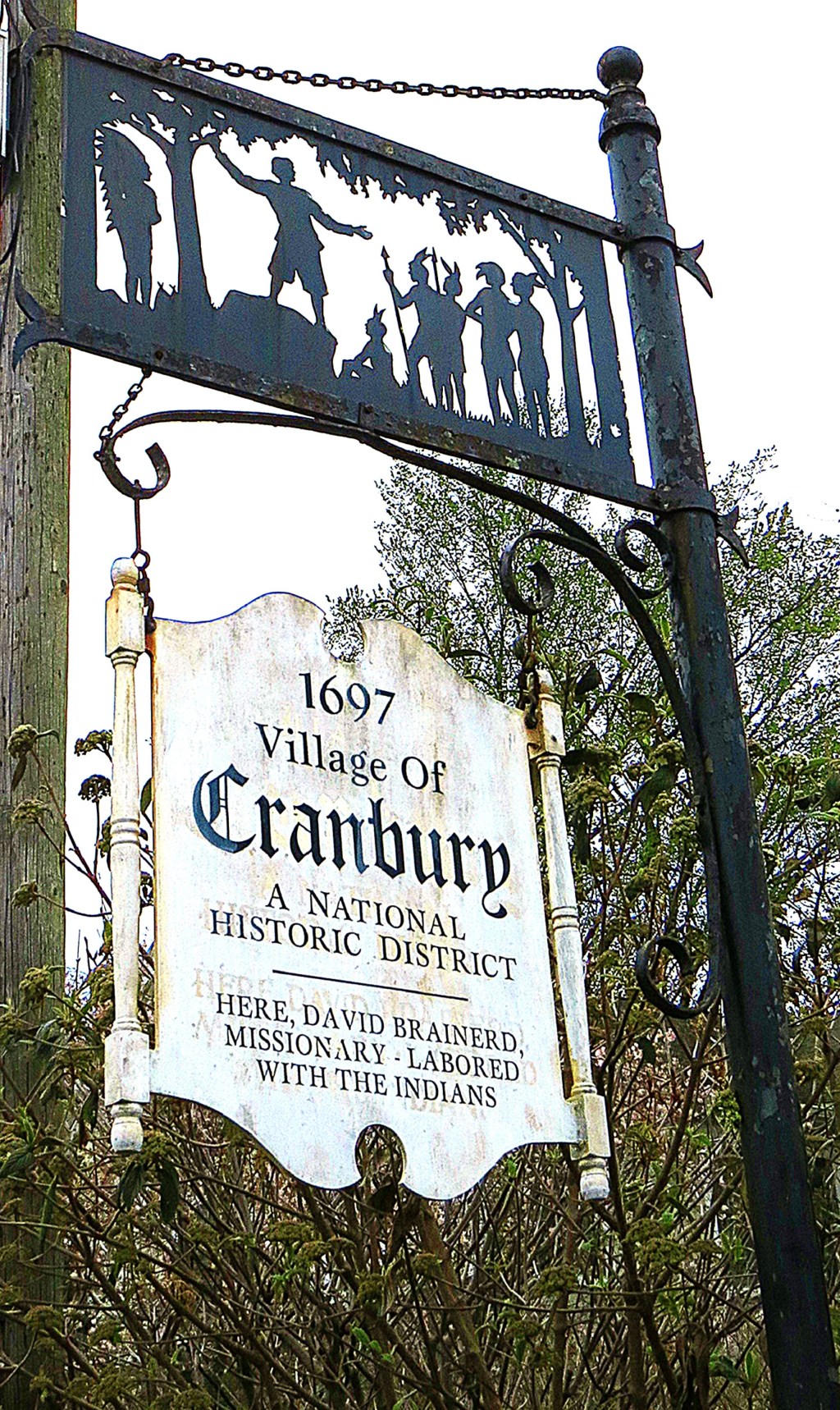
For a historical lunch stop in Cranbury visit: The Cranbury Inn on Main Street. “In the mid-1600s in the center of the colony of New Jersey by Cranberry Creek, a mill town began to develop along an old Indian trail that had widened into a road. This road connected the colonies and was becoming a main thoroughfare for colonial travelers. In 1697 Cranberry Towne received its charter from England. With increasing development, a need arose in central New Jersey for a place to eat and drink, get fresh horses, and spend the night; thus, in the mid-1700s (1750 and 1765) our taverns were built to meet these needs of the travelers passing through this area. After the colonies declared their independence from the motherland this business officially established itself in 1780. What is now The Cranbury Inn has been functioning as a place to eat and drink since the 1750s.”

 Beside Old Hearthstones - An American Evangelical Church History Tour
Leave a reply to Matthew Cancel reply