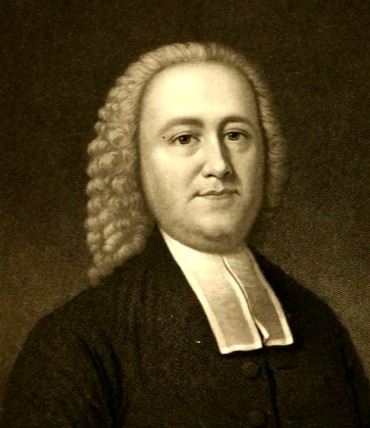
Other men seem to be only half-alive, but Whitefield was all life, fire, wing, force. My own model, if I may have such a thing in due subordination to my Lord, is George Whitefield. With unequal footsteps must I follow his glorious track.
Charles Spurgeon
As I followed George Whitefield’s journal during his time in America, I was struck by his almost superhuman effort to spread the Gospel. He traveled every day and preached to thousands multiple times a day.
I guess I knew this…but as I read his journal, I was amazed. This is a snapshot of one month out of 31 years. November 1739 when he was only 25.
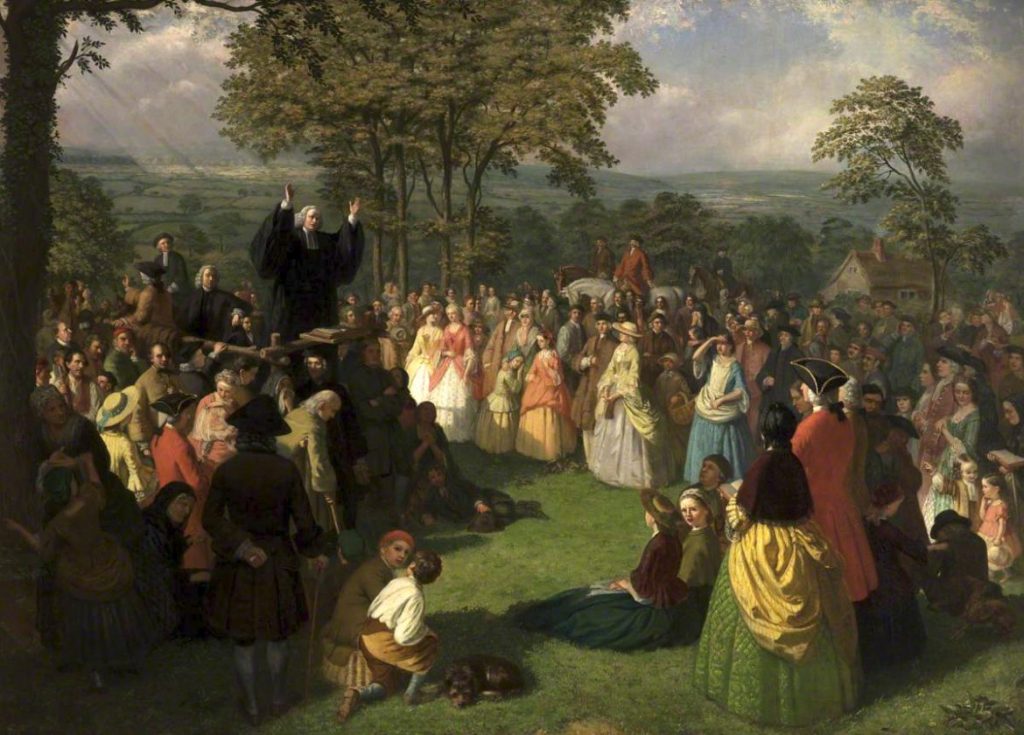
From his first outdoor sermon on February 17, 1739, at the age of 24, to the coal miners of Kingswood near Bristol, England, until his death thirty years later on September 30, 1770, in Newburyport, Massachusetts (where he is buried), his life was one of almost daily preaching. Sober estimates are that he spoke about one thousand times every year for thirty years. That included at least eighteen thousand sermons and twelve thousand talks and exhortations. The daily pace he kept for thirty years meant that, on many weeks, he was speaking more than he was sleeping. ~ John Piper
George Whitefield was born in 1714 at The Bell Inn in Gloucester, England. As a teenager he found himself at Oxford and part of The Holy Club with John and Charles Wesley where he was saved at the age of 20 in 1735. Having received his bachelor’s degree from Oxford he felt called to preach. After a few years ministering in England, the Wesley brothers convinced him to go to Georgia to help with their ministry in America. He visited once in 1737 and again in 1739, before making his way up to Philadelphia which is where we begin our tour.
Read Arnold Dallimore’s biography of Whitefield for a full picture of his life.
It is true I have a difficult task, but God is all sufficient, to whose almight protection I humbly commit myself. I give to Him my soul and body to be disposed and worn out in His labours as He shall think meet. I do hence to resolve, by His assistance…to lead a stricter life than ever, to give myself to prayer and the study of Scriptures…God give me my health, if it be His blessed will…I give myself wholly to Him.
George Whitefield
Use this map to follow along.
October 30– Lewes, DE
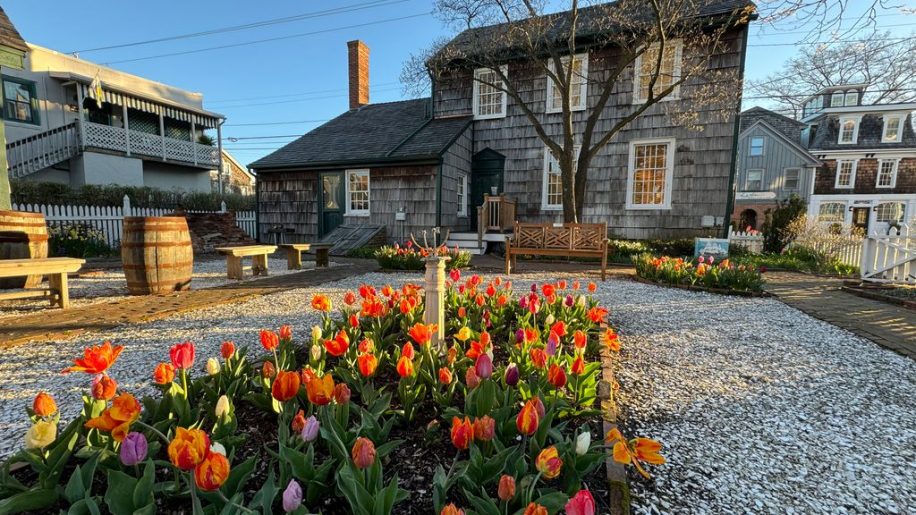
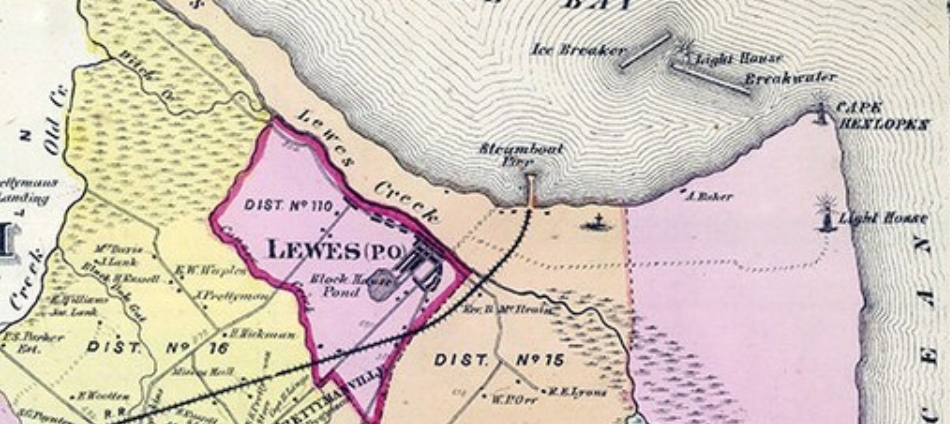
Having left Savannah, GA by the ship Elizabeth, 11 weeks later George reaches the shores of Delaware. Likely near what is today Lewes, DE. There are a few buildings from Whitefield’s time remaining and the maritime museum in housed in one of them.
November 2 -Philadelphia, PA
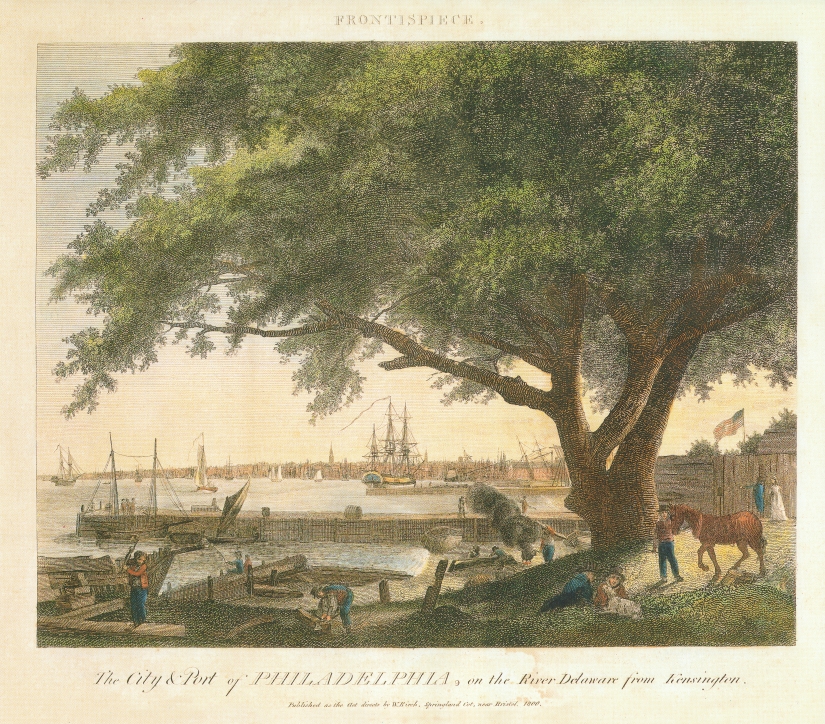
George is met by some pastors and Thomas Penn. (William’s son) as he rode on horseback up to Philadelphia. He stopped at Dover, DE along the way.
He says, “As I traveled, I observed the Country was more and more open, and many fruitful plantations lay on each side of the road.”
The Elizabeth went ahead of him and docked likely at the Market St wharves the next day where he would go aboard to greet his friends as he enters the city of Philadelphia for the first time. He then writes, “hired a house at a very cheap rate, wan was quite settled in it before night.”
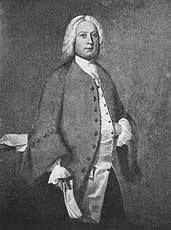
November 8 -Whitefield famously preached to Ben Franklin’s estimated number of 30,000 at the Courthouse on 2nd & Market
Ben Franklin writes in his autobiography,
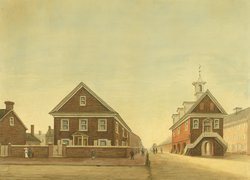
“(George) preached one evening from the top of the Court House steps, which are in the middle of Market Street, and on the West Side of Second Street which crosses it at right angles. Both Streets were filled with his Hearers to a considerable distance. Being among the hindmost in Market Street, I had the curiosity to learn how far he could be heard, by retiring backwards down the Street towards the River; and I found his voice distinct till I came near Front Street when some noise in that Street, obscured it. Imagining then a semicircle, of which my distance should be the radius, and that it were filled with Auditors, to each of whom I allowed two square feet, I computed that he might well be heard by more than thirty thousand. This reconciled me to the newspaper accounts of his having preached to 25,000 People in the fields, and to the ancient histories of generals haranguing whole armies, of which I had sometimes doubted…”
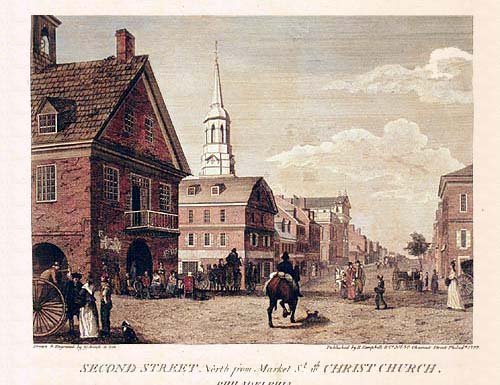
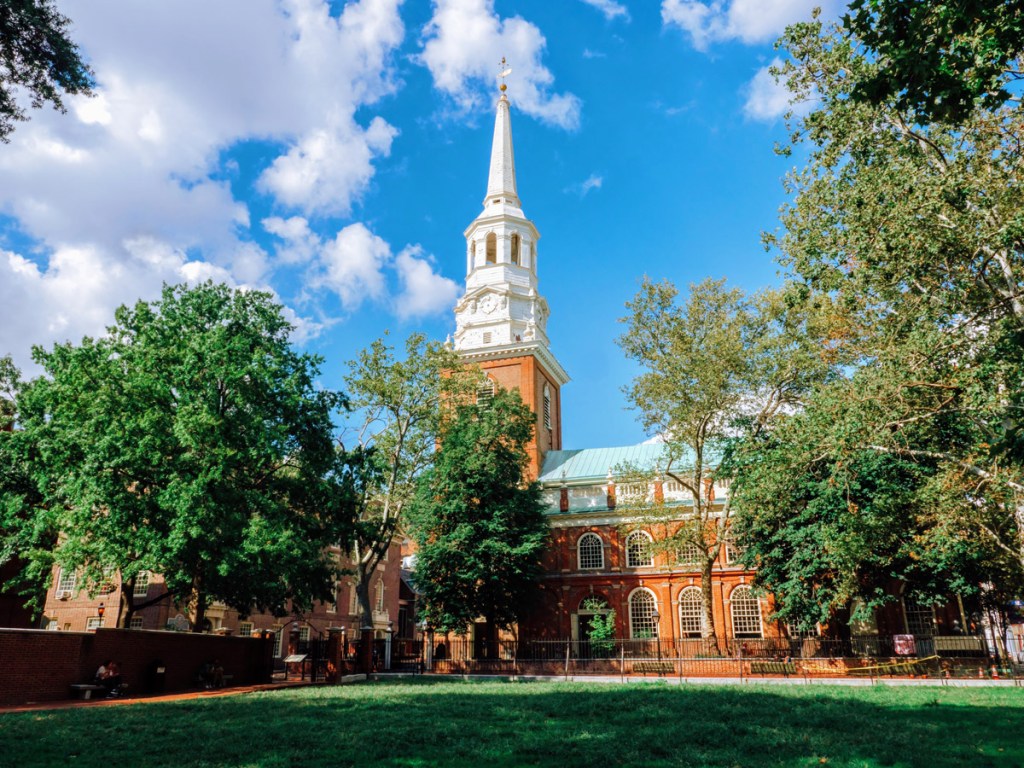
George also preached at Christ Church while in the city. Construction began in 1727.
Christ Church is open to tour the church and cemetery. It’s original steeple was financed with help from Ben Franklin. He is buried in the cemetery along with his wife, daughter and young son. Dr. Benjamin and Julia Stockton Rush and 5 signers of the Declaration of Independence are also buried here.
“We had no religious connection. He us’d, indeed, sometimes to pray for my conversion, but never had the satisfaction of believing that his prayers were heard. Ours was a mere civil friendship, sincere on both sides, and lasted to his death.” ~Ben Franklin
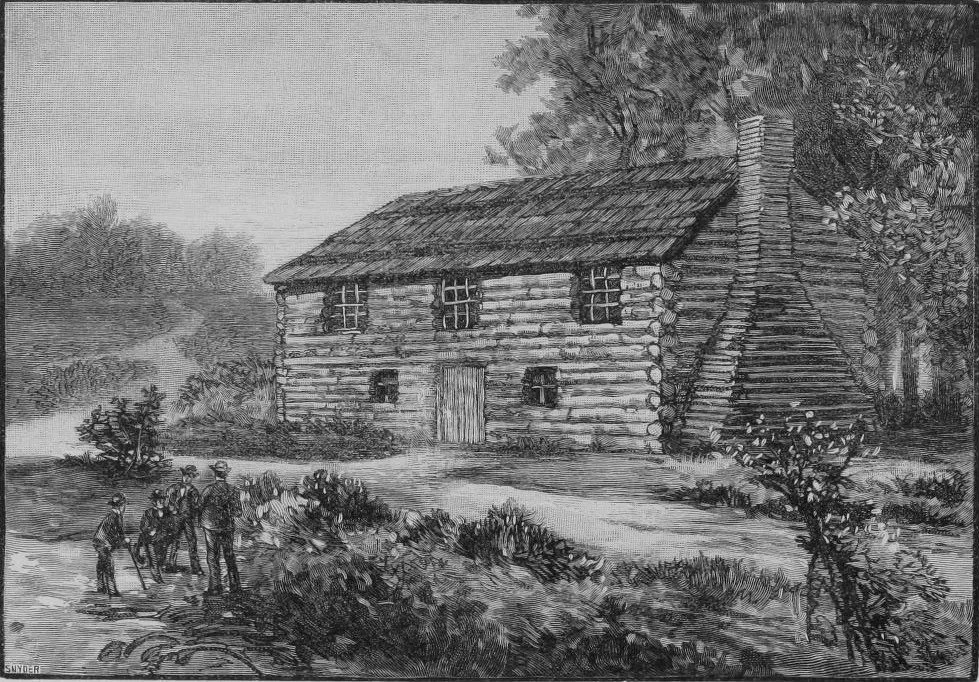
November 10 – “A prominent Presbyterian pastor, the Rev. William Tennent paid him a visit…he had founded a school commonly known as the Log College for the training of men for the ministry and his own scholarship and personal fervor enabled him to equip them with thorough learning and a fiery zeal. Whitefield said, ‘He and his sons are secretly despised by the generality of the Synod’…” Whitefield, Dallimore
Nov 12 – Burlington and Trenton, NJ
Whitefield rode to “Burlington in the Jerseys“. He preached that afternoon then rode on to “Trent Town“. The Church of England in Burlington at the time was St. Mary’s, a still active, but Episcopal congregation. The Rev. Colin Campbell was pastor at the time, the original building is still standing, the main interior is original to Whitefield’s time.
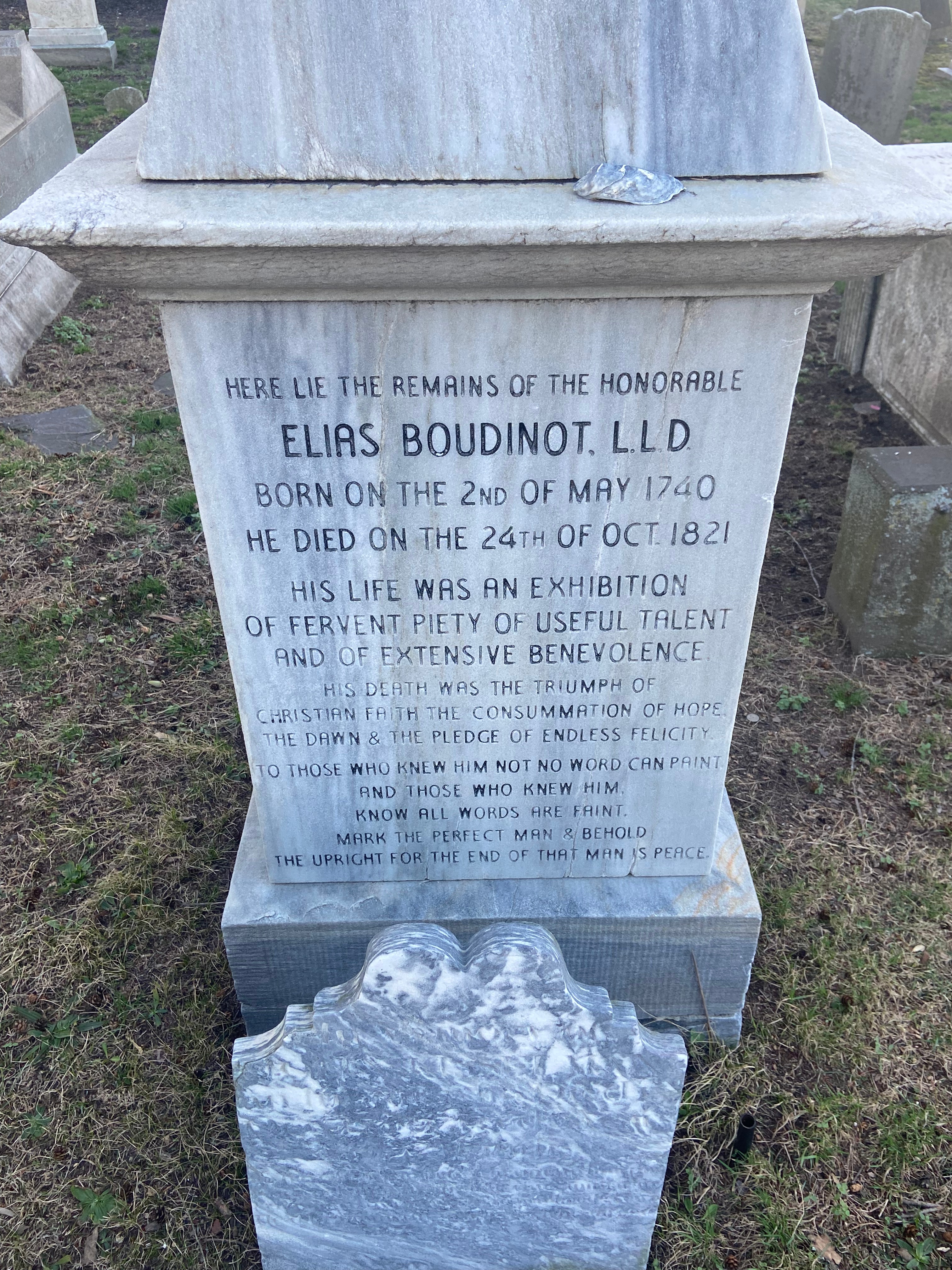
Elias Boudinot attended this church and is buried in the church cemetery, a post for another time! But maybe of interest to some.
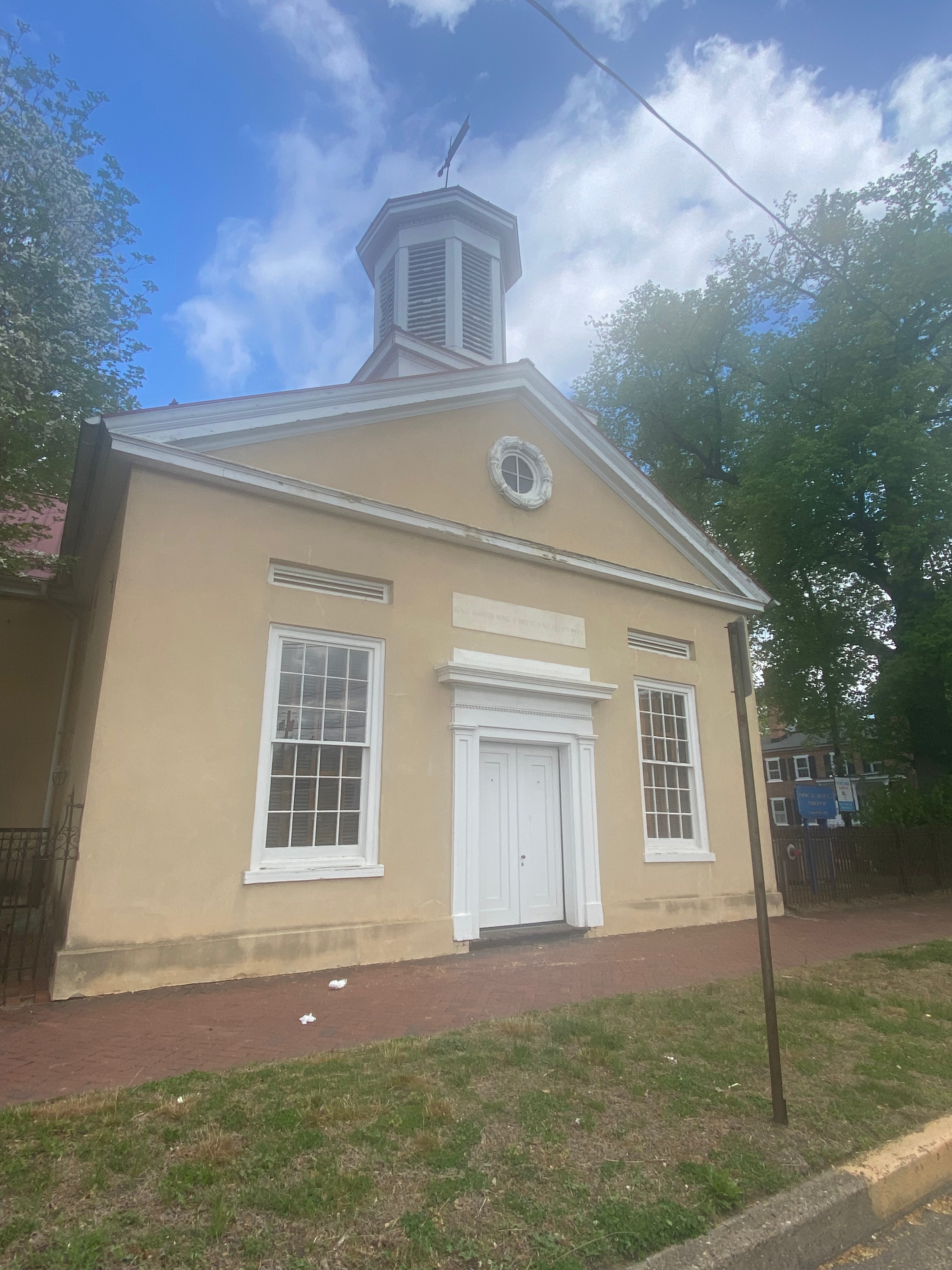
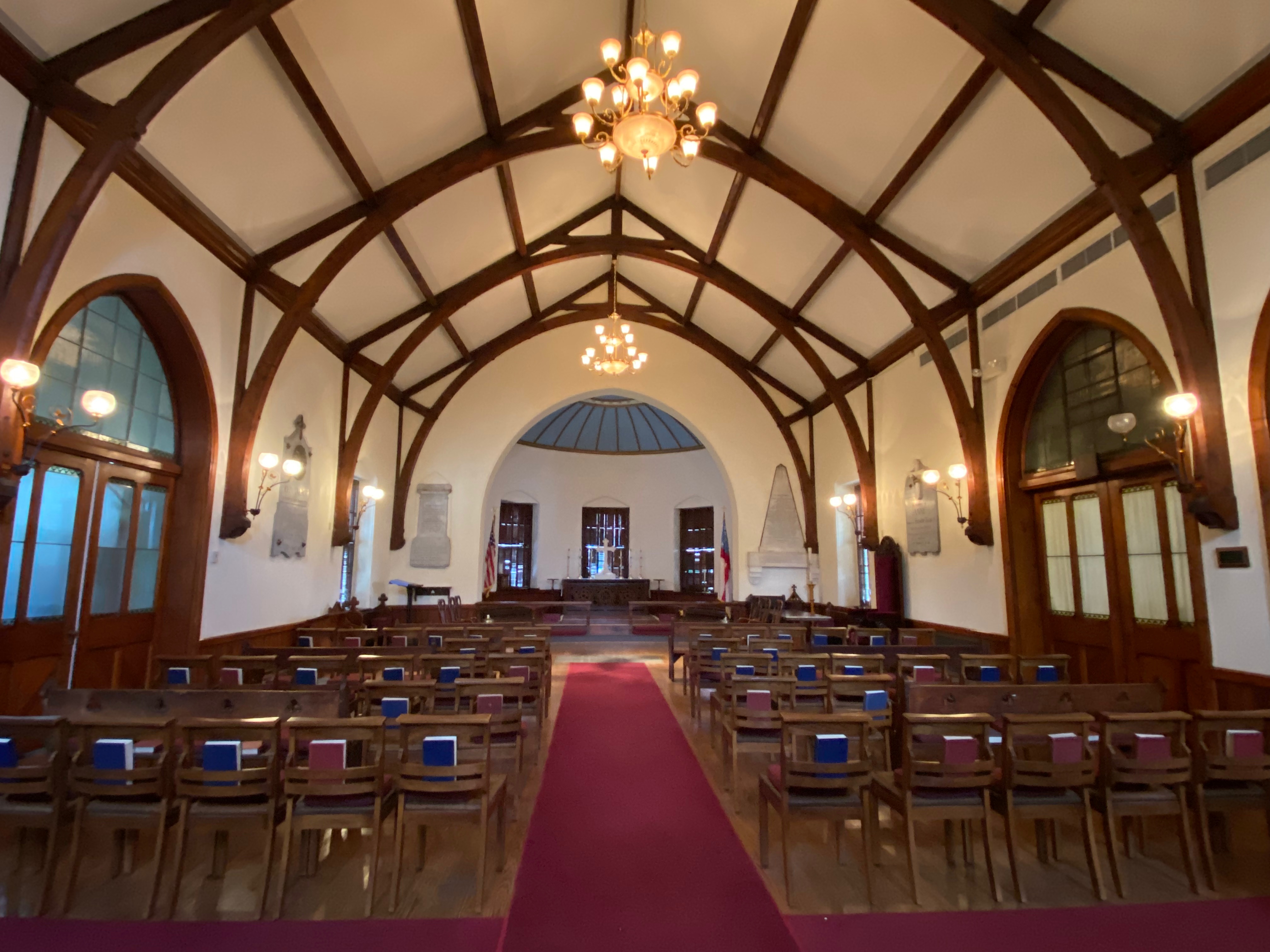
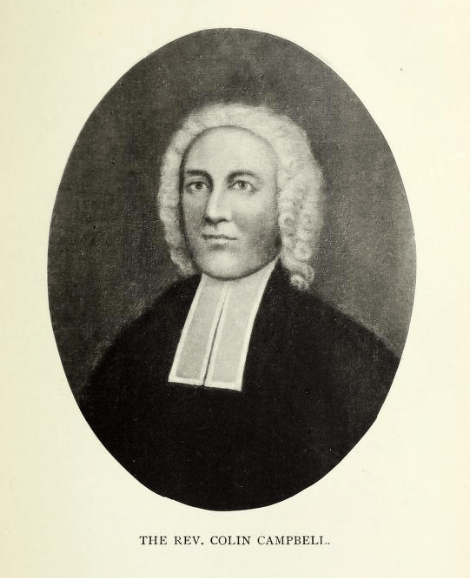
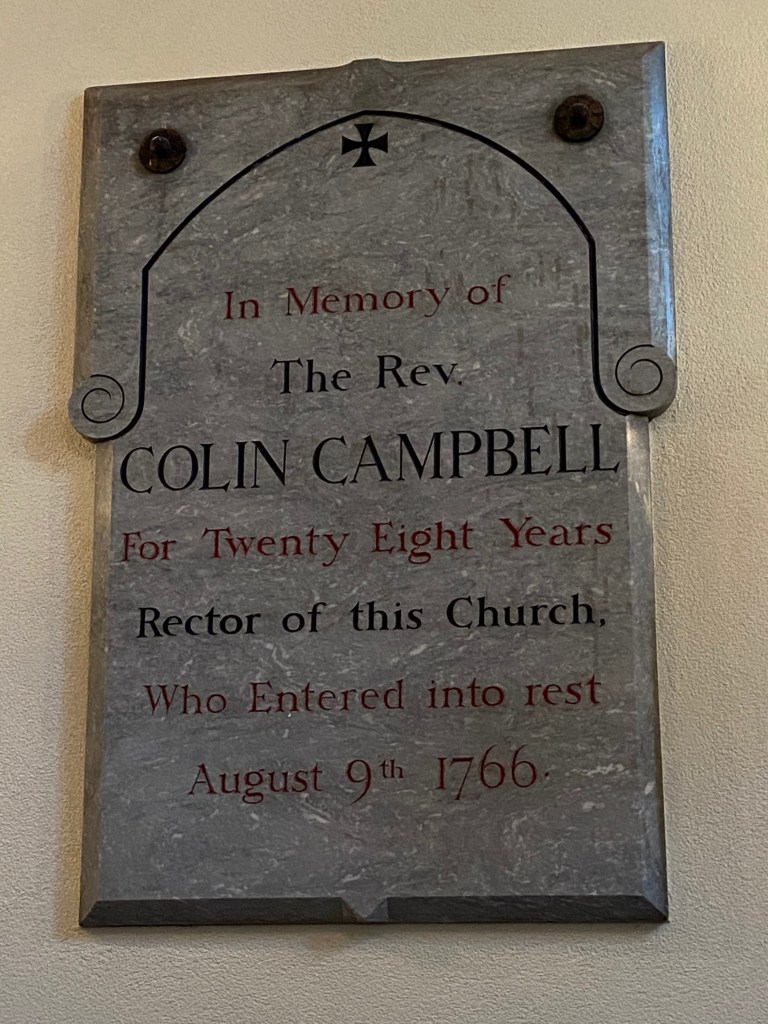
“The gentleman who gave me the invitation, received me and my friends in as sweet a manner as can well be imagined. Immediately after dinner I read prayers and preached in the Church, to a mixed but thronged and attentive congregation.” ~ GW journal
November 13 –Brunswick, NJ
The next morning he rode to Brunswick to meet Gilbert Tennent, son of William Tennent Sr. saying,
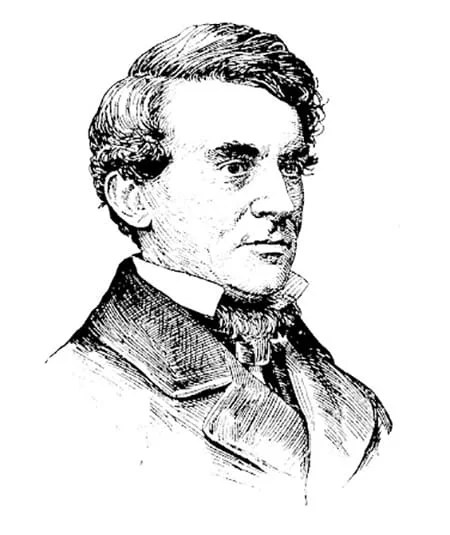
“He and his associates are the burning and shining lights of this part of America.” ~ GW journal
“Whitefield preached in front of (Theodorus Frelinghuysen’s) Dutch church on Burnet Street, standing on a wagon, and the immense audience were spread over a meadow sloping down to the river, listening to the sermon.” source It was located at Burnet St & Richmond St.
The Tennent church building is gone, burned during the Revolution. It was just down the river from the Frelinghuysen’s. “In late 1726, or early 1727 Reverend Gilbert Tennent was ordained pastor of the congregation. The church records were destroyed or lost, during the American Revolution when British soldiers were quartered in the manse.” History – Presbyterian Church in New Brunswick
November 14-18 – New York City
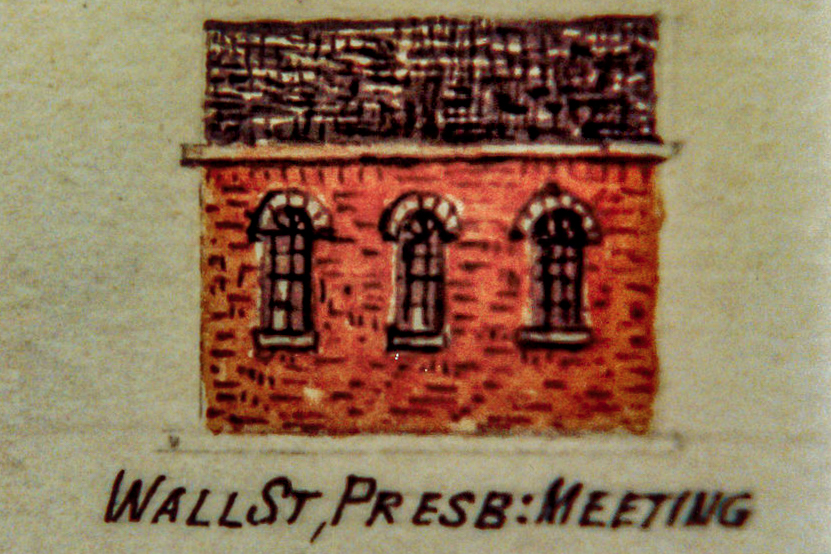
Whitefield rode with Gilbert Tennent to Elizabeth, NJ where they took a boat to the docks near Wall Street. Ebenezer Pemberton was pastor of the First Presbyterian Church of New York at the time, and he invited Whitefield and Tennent to his pulpit. The docks were not far from the Meeting House (middle) source
“Dined with Mr. Pemberton, the Presbyterian Minister, preached in the fields to upwards of 2000 about 3 in the afternoon, and expounded at six in the evening to a very thronged and attentive audience in the reverend and worthy Mr. Pemberton’s Meeting House.” He continued preaching to large crowds for the next few day. ~ GW Journal
The current church mentions this on their history page, “In 1740, the fortunes of the Wall Street church were enhanced by another anti-establishment hero: George Whitefield, celebrated English evangelist and colleague of John Wesley. Only First Presbyterian allowed him to preach in New York during his American tours. His popularity so greatly increased membership that in 1748 the entire church was enlarged and thrived until the British occupation during the War for Independence.” A Brief History of First Church – The First Presbyterian Church in the City of New York
As a interesting side note, Jonathan Edwards was the pastor here for a short time (1722-1723) when he was only 19.
Edwards’s ministerial career began in 1722 with a brief sojourn of eight months in New York City. Frictions had arisen between the English members of the First Presbyterian Church and the Scots-Irish majority, led by Scottish minister James Anderson. The English eventually withdrew and began meeting separately. Edwards accepted their invitation to preach for them. Later he wrote: “I went to New York to preach and my longings after God and holiness were much increased. I felt a burning desire to be in everything conformed to the blessed image of Christ…how I should be more holy and live more holily…. The heaven I desired was a heaven of holiness, to be with God and to spend my eternity in holy communion with Christ” (ibid.). Jonathan Edwards (1703-1758) by Dr. Joel Beeke
November 19 – Elizabethtown, NJ
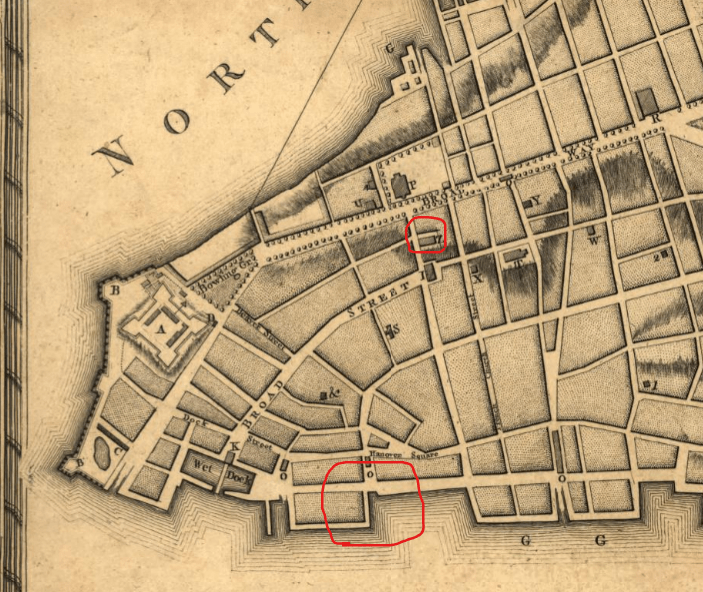
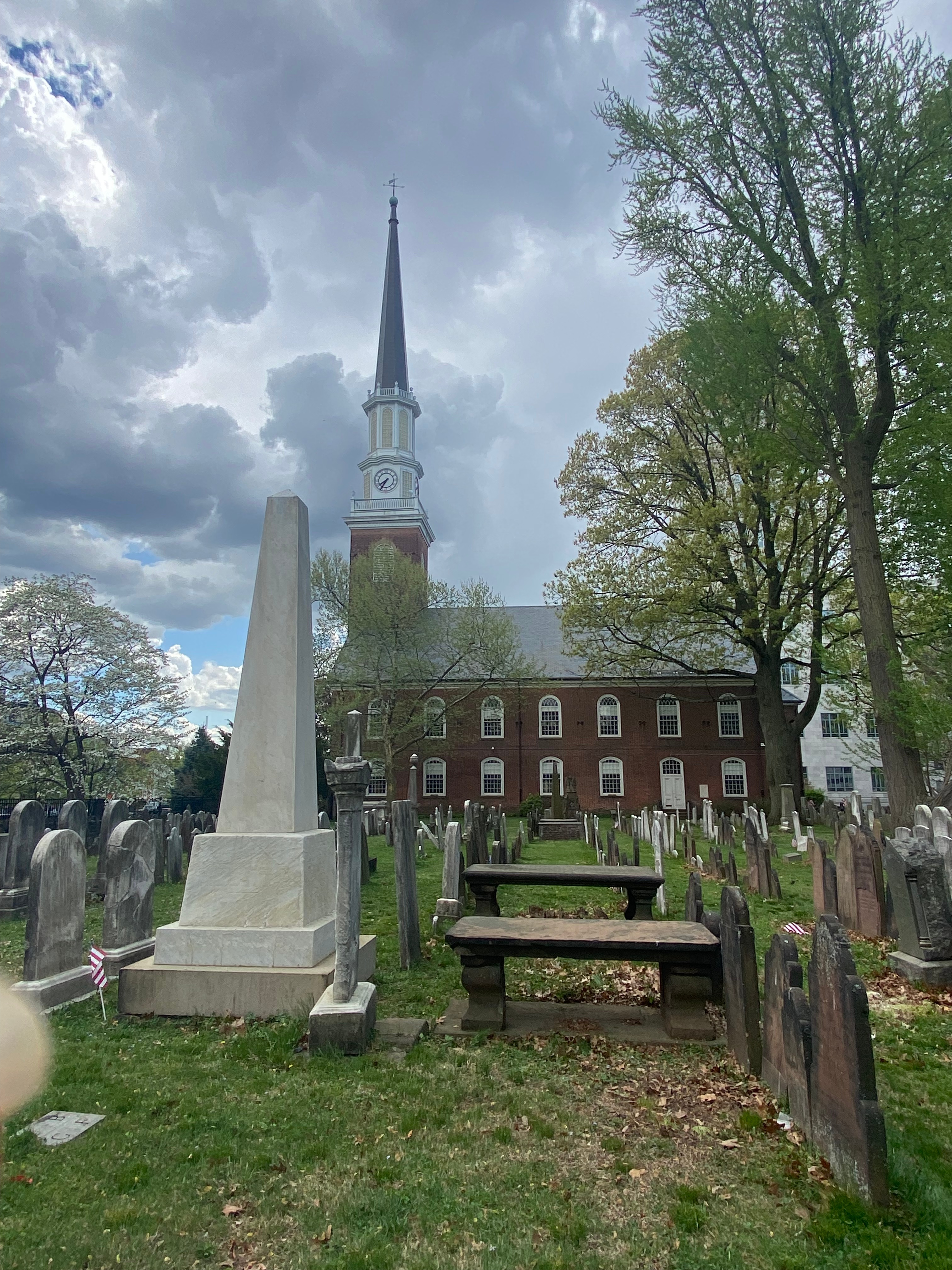
Leaving New York again by boat, he dined with Jonathan Dickinson who had sent an invitation offering the use of his Meeting House. Dickinson was pastor of The First Presbyterian Church of Elizabeth. The original meetinghouse was burned by the British, January 28, 1780. Elias Boudinot lived nearby and attended.
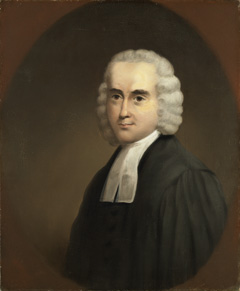
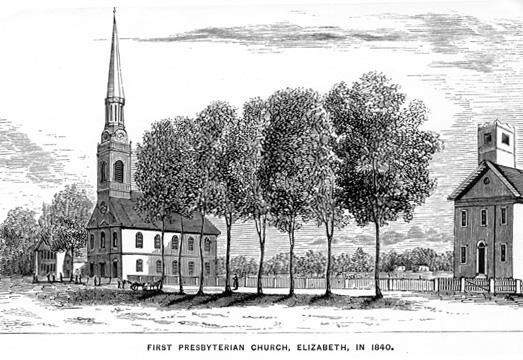
Another side note, David Brainerd was often a guest of Dickinson. He spent much time at his home seeking the counsel of his mentor. He spent nearly 6 months here while very ill with tuberculosis in the last winter of his life. (Nov 1746-April 1747) He would leave in April 17 for Jonathan Edward’s home in Northampton, MA where David would die October 1747. Incidentally, Edwards would have also been a guest here.
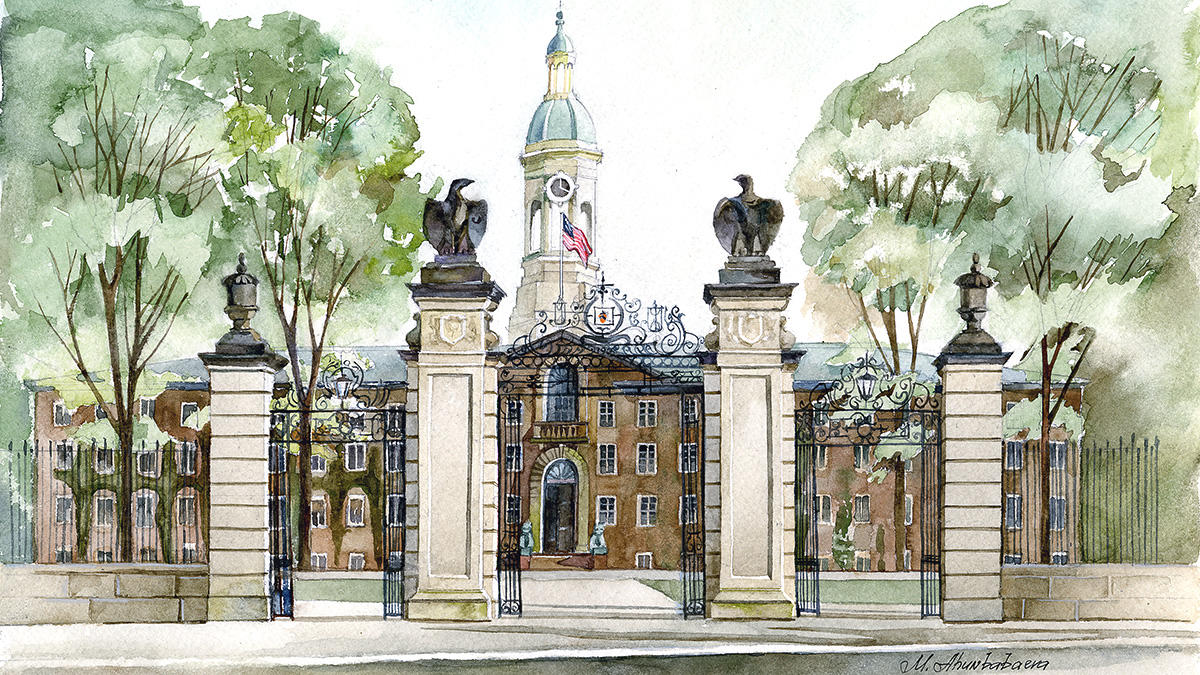
In May 1747, Dickinson would become the first president of the newly formed College of New Jersey (Princeton University today). He would die in October of that year.
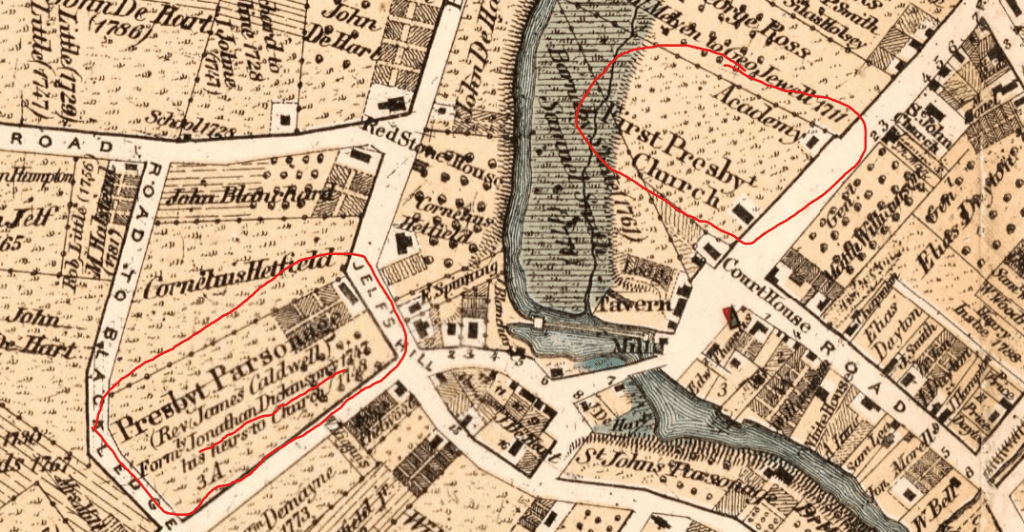
The location of the Parsonage, Church and Academy are circled above. Map of Elizabeth Town, N.J. at the time of the Revolutionary War, 1775-1783
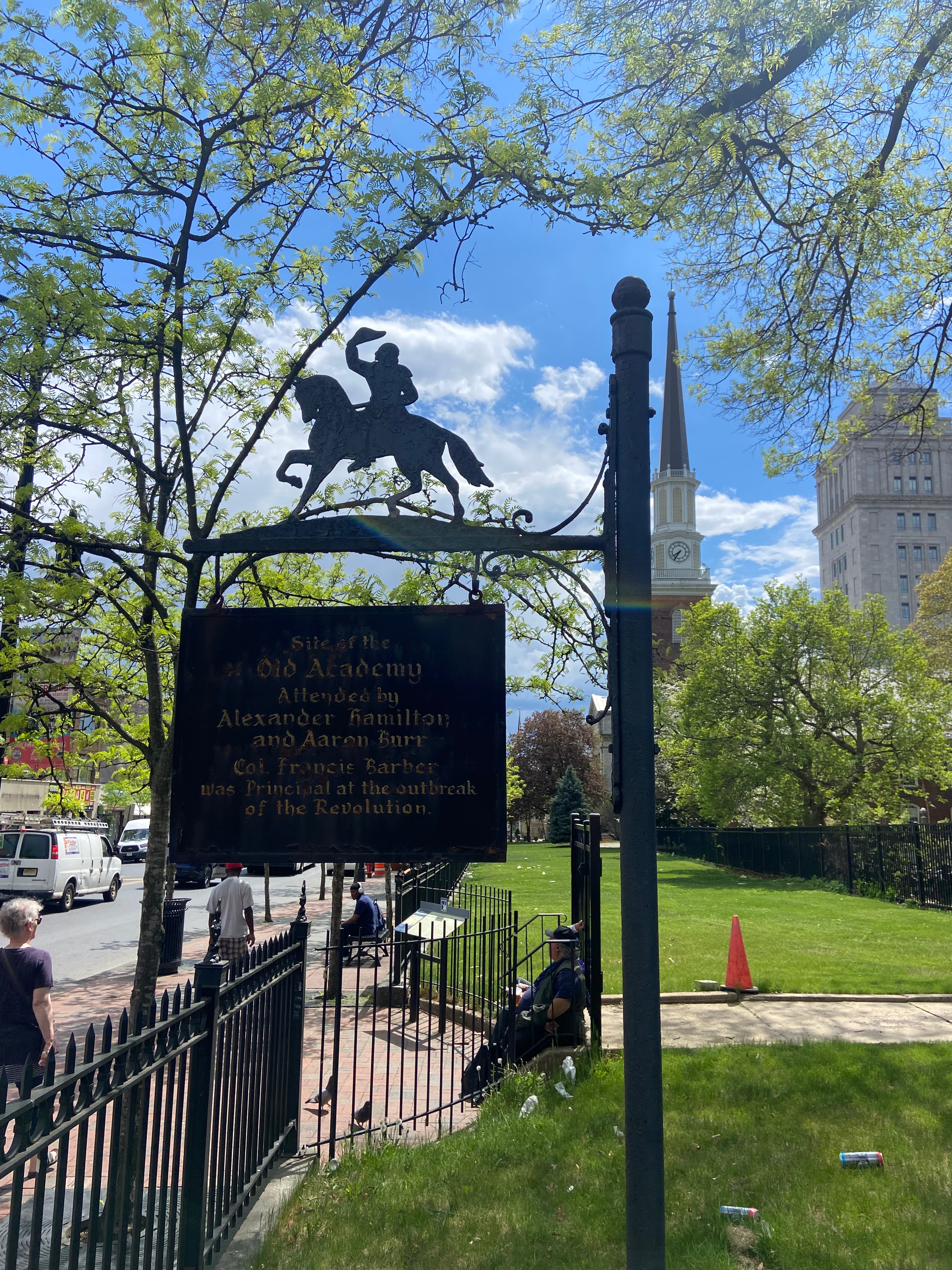
Just to the right of the church is the Old Academy, begun in 1767. Alexander Hamilton and Aaron Burr Jr attended here. Although the original building was also burned during the War and rebuilt in 1787.
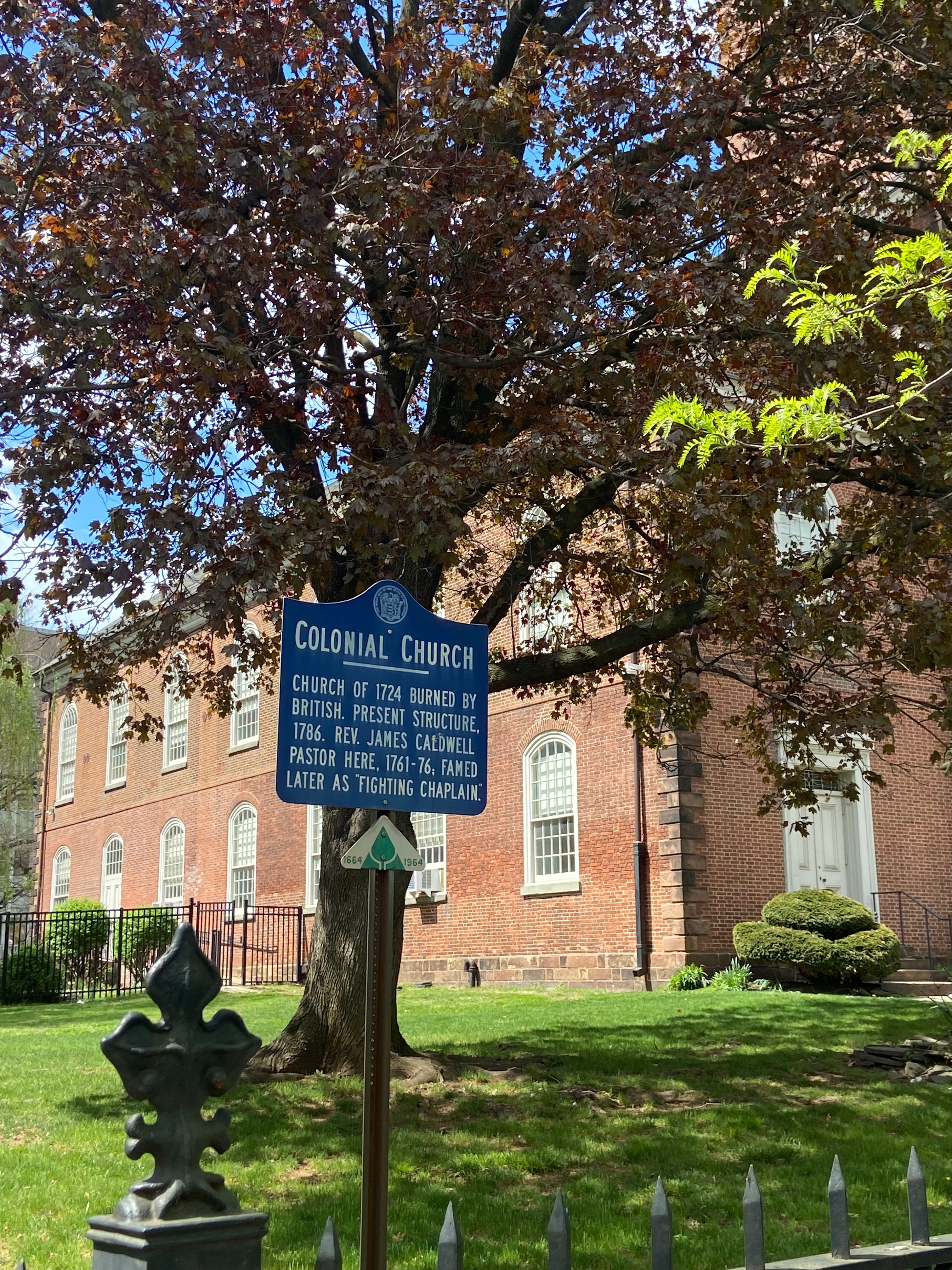
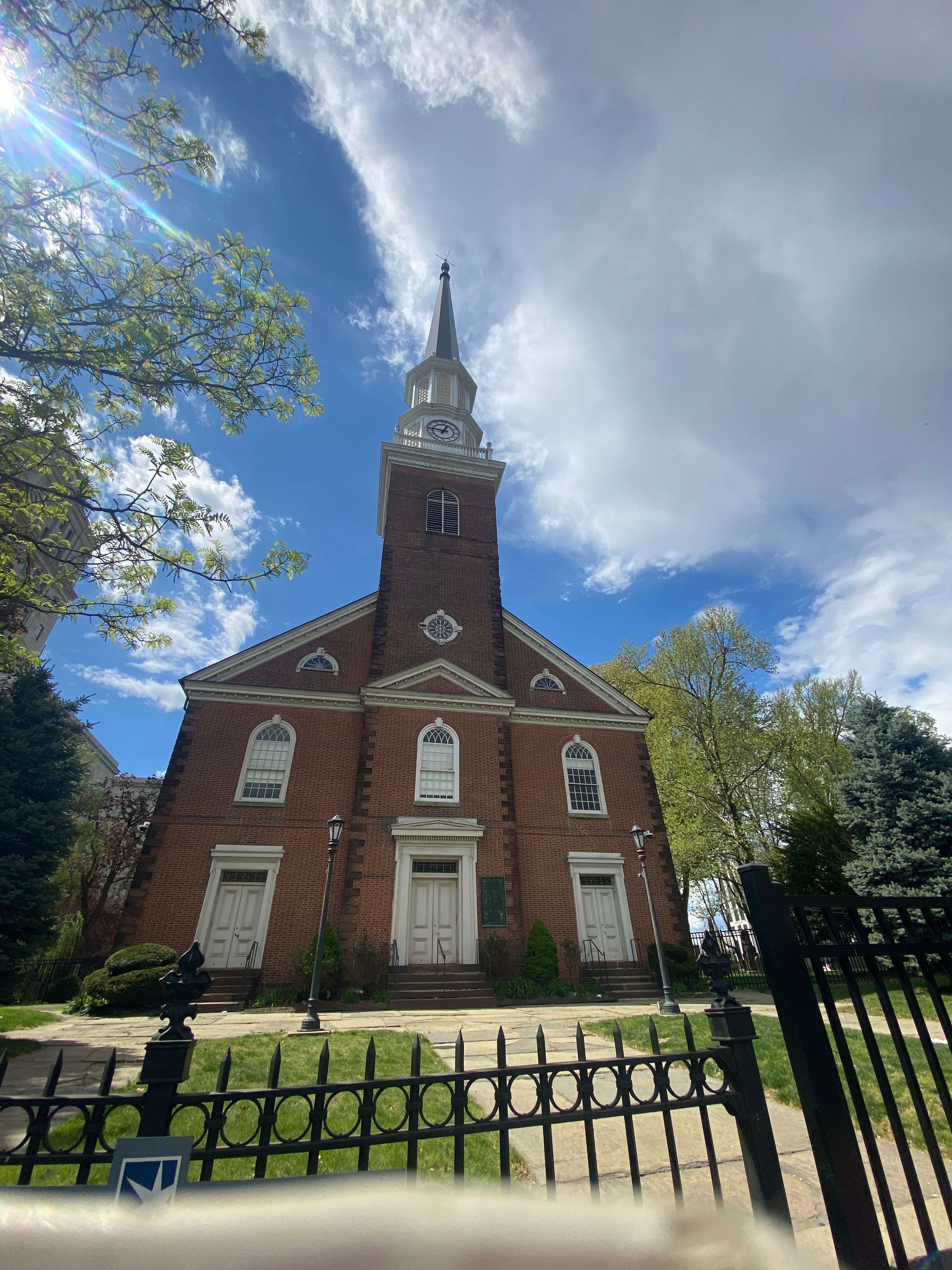
November 20 – Returns to Gilbert Tennent’s at Brunswick – he preached at the Presbyterian Meeting House for 2 hours to a large assembly. Then two more times the same day. Theodorus Frelinghuysen was present.
November 21 – Maidenhead (Lawrenceville) NJ and Trenton
I preached from a wagon to about 1500 persons on the conversion of Saul…here, one Mr. Rowland, another faithful minister of Jesus Christ gave us the Meeting. ~ GW Journal
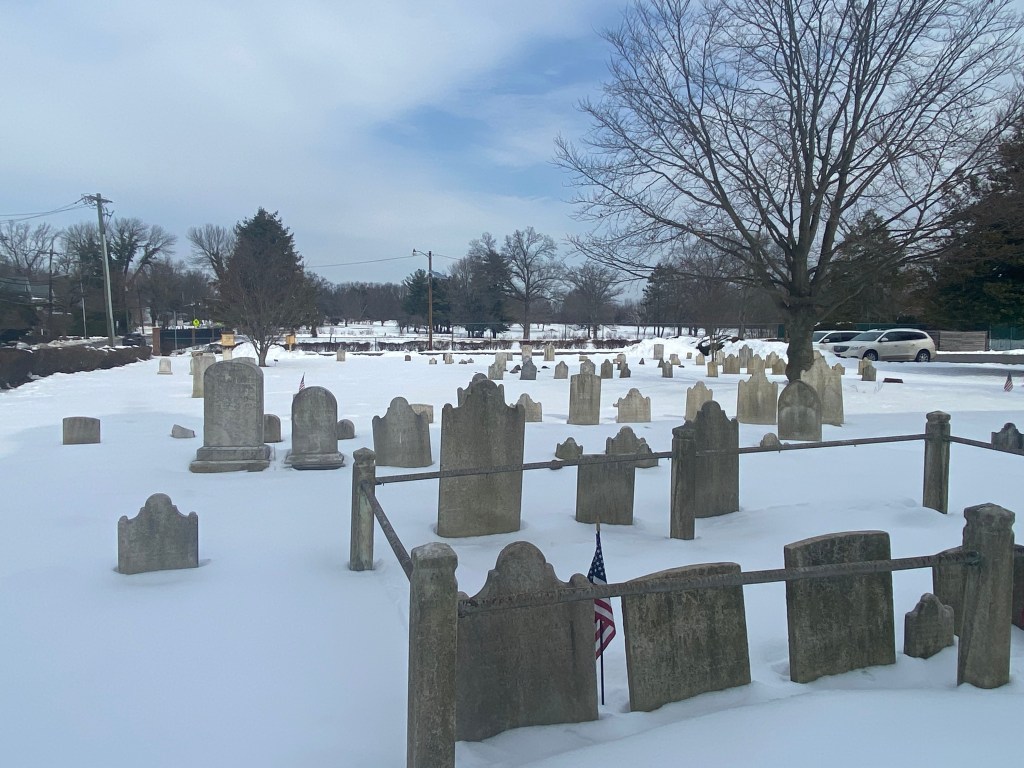
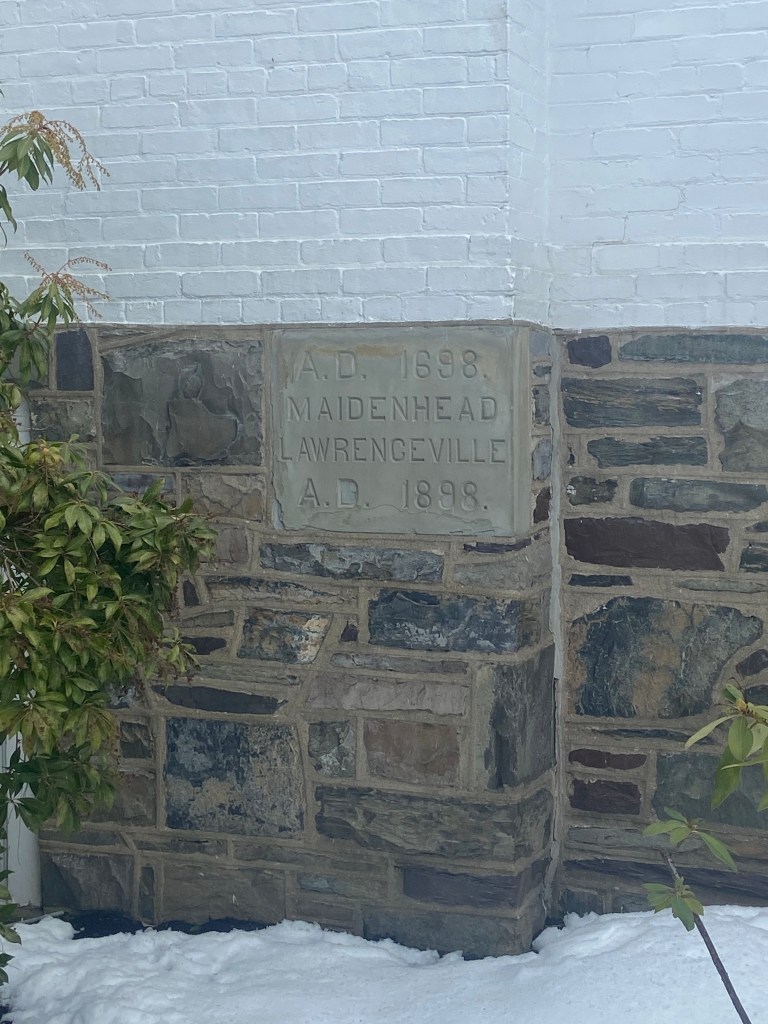
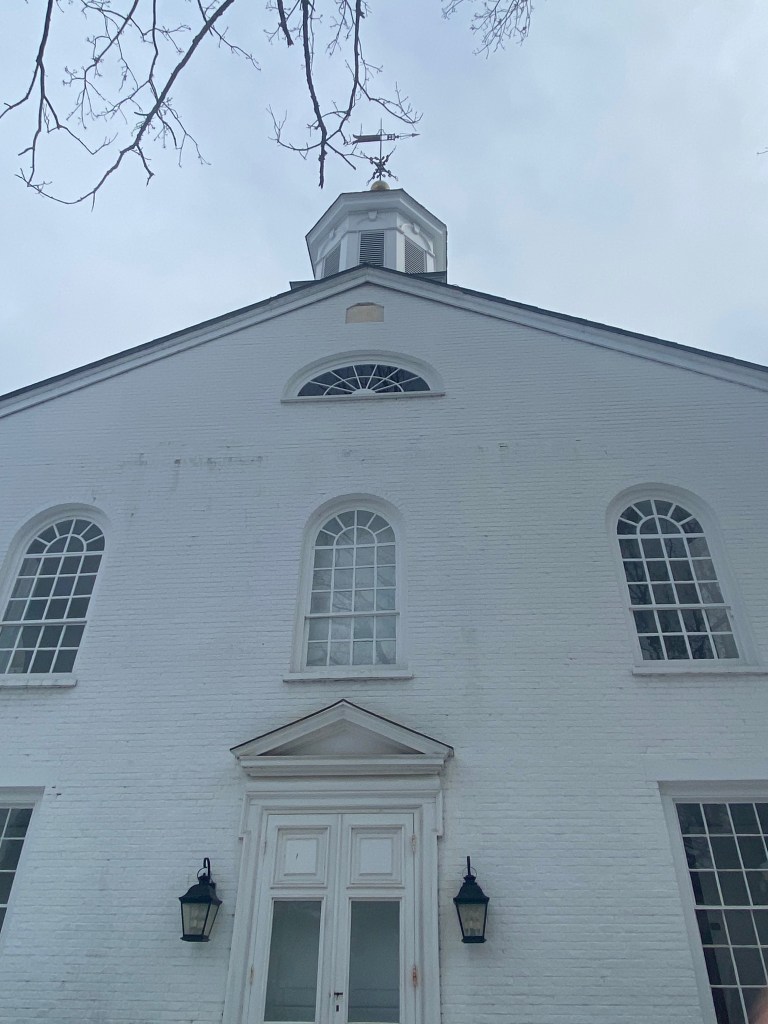
Current day church at the spot of Rowland’s church.
John Rowland had also been a student at the Log College. That evening Whitefield preached at the Trenton Courthouse, near modern day South Warren and West State St.
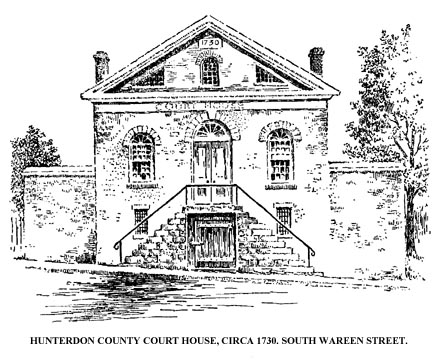
November 22 – Neshaminy, PA
Set out for Neshaminy where old Mr. Tennent lives and keeps an Academy…about 12:00 we came thither and found above 3,000 people gathered together in the Meeting House yard. ~ GW Journal
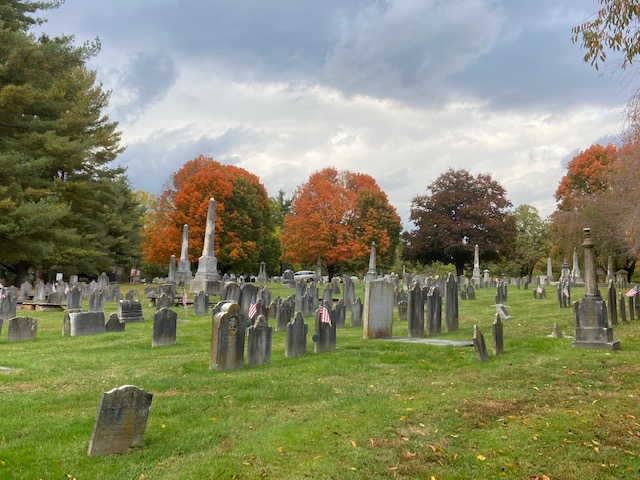
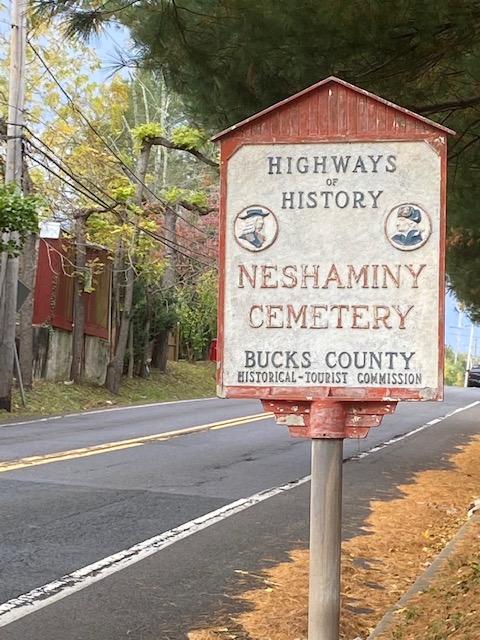
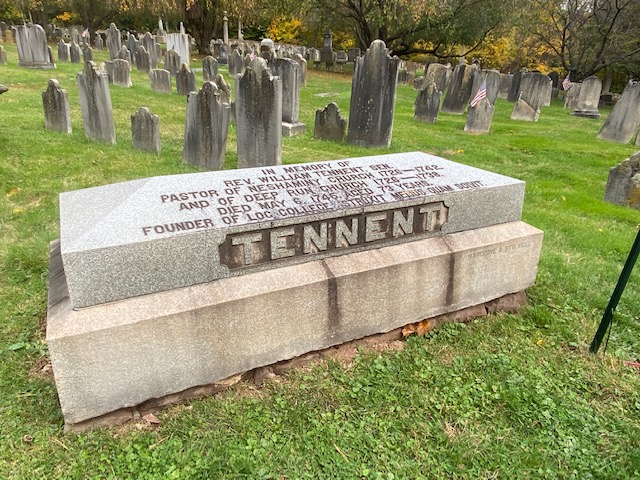
The church would have been located in the present-day cemetery. Gilbert was still with him and preached as well. Later that day, he writes that he was welcomed to the Tennent home. “After our exercises were over we went to Old Mr. Tennent, who entertained us like one of the ancient Patriarchs. His wife to me seemed like Elizabeth and he like Zachary, both as far as I can find, walk in all the ordinances and commandments of the Lord, blameless”.
He speaks of the Log College, which would be the foundation of Princeton University…the first students consisted of the four Tennent sons (Gilbert, William, Charles and John), Samuel and John Blair, Samuel Finley, William Robinson, John Rowland, and Charles Beatty.
“The place wherein the young men study now is in contempt called the College. It is a log house, about twenty feet long and near as many broad; and to me it seemed to resemble the school of the old prophets. For their habitations were mean; and that they sought not great things for themselves is plain from those passages of Scripture wherein we are told that each of them took a beam to build them a house…All that we can say of most colleges is, that they are little better than polite seminaries of learning; but here men are taught the power of religion… and many have been sent forth from hence who have been burning and shining lights.” source
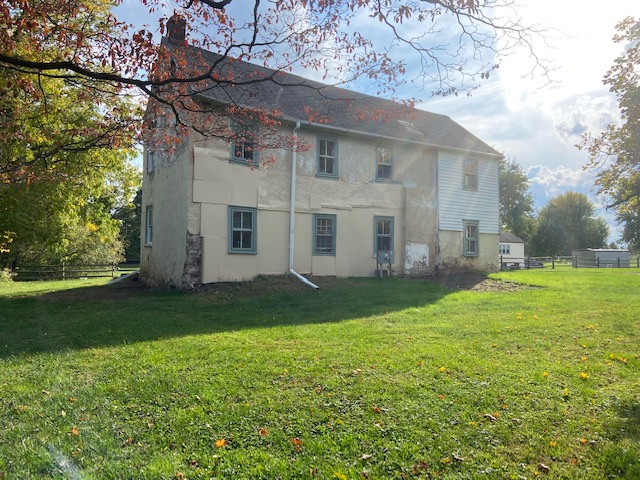
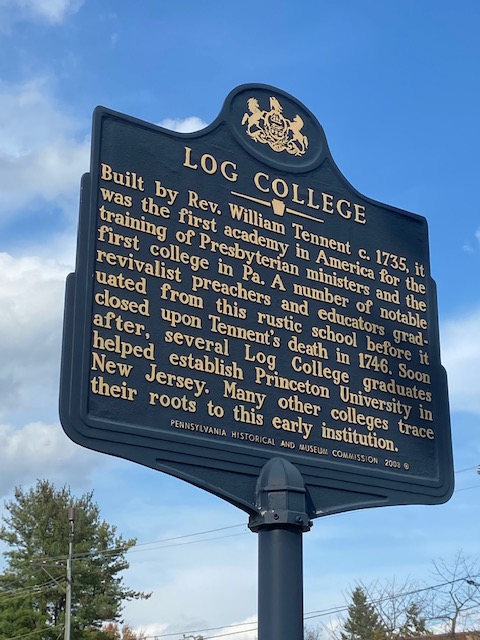
The current home rests on the old Tennent home foundation and the Log College is marked nearby.
November 23 – Abington, PA
“It is surprising to me how such bodies of people so scattered abroad can be gathered at so short a warning.” ~ GW journal
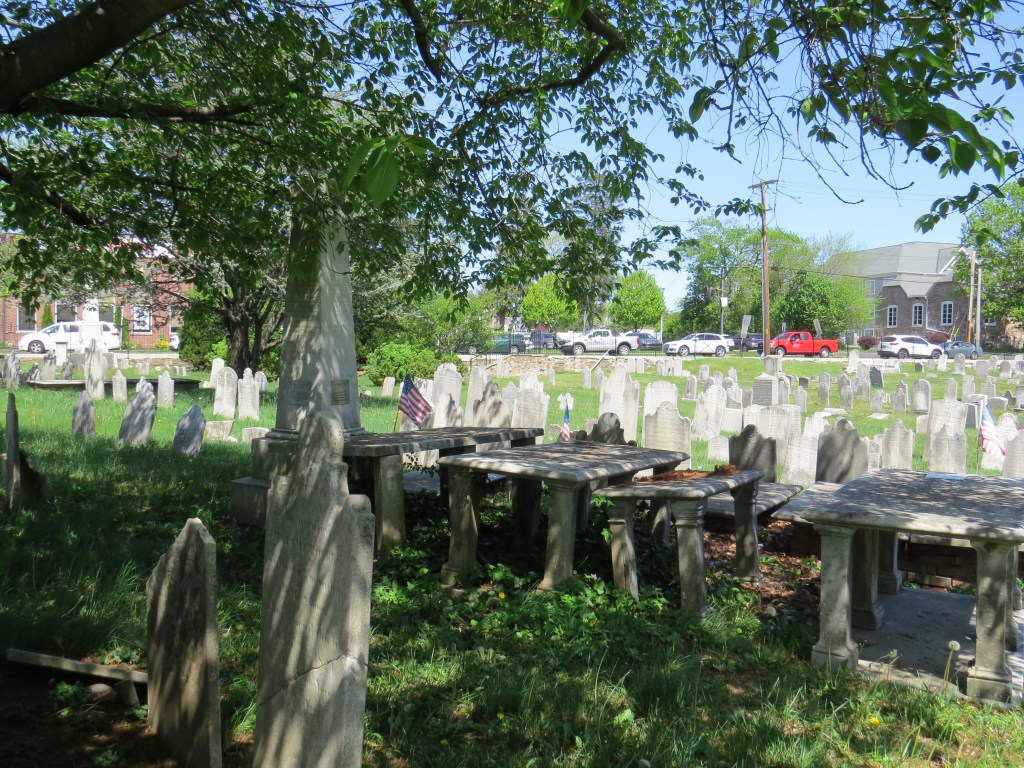
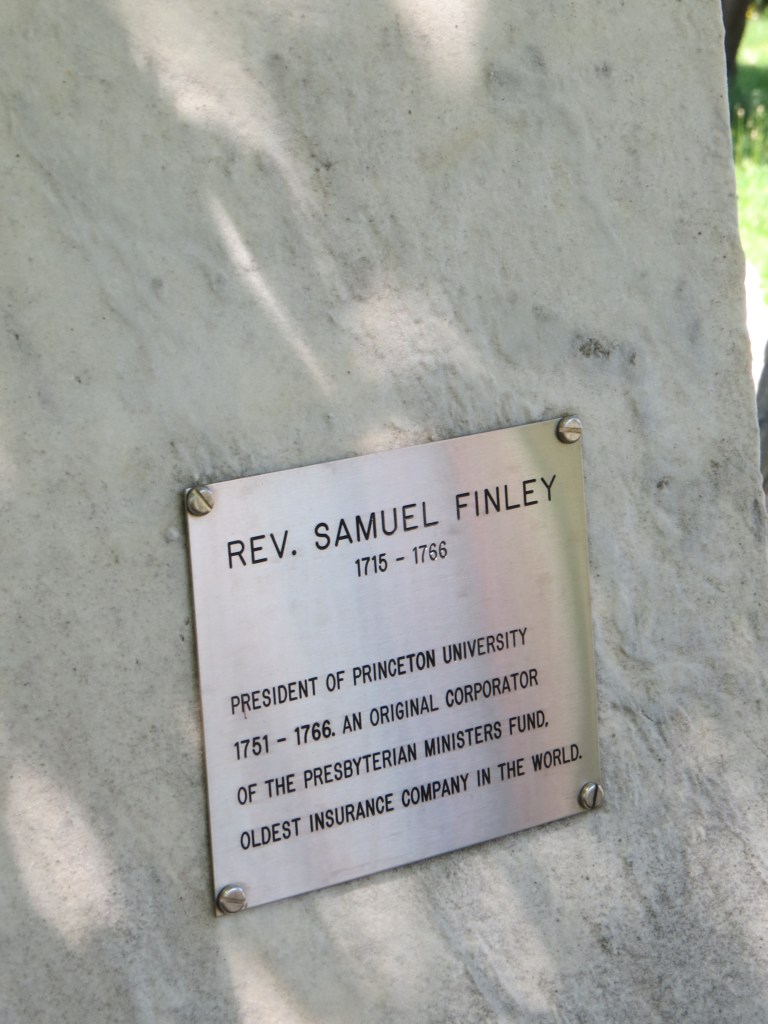
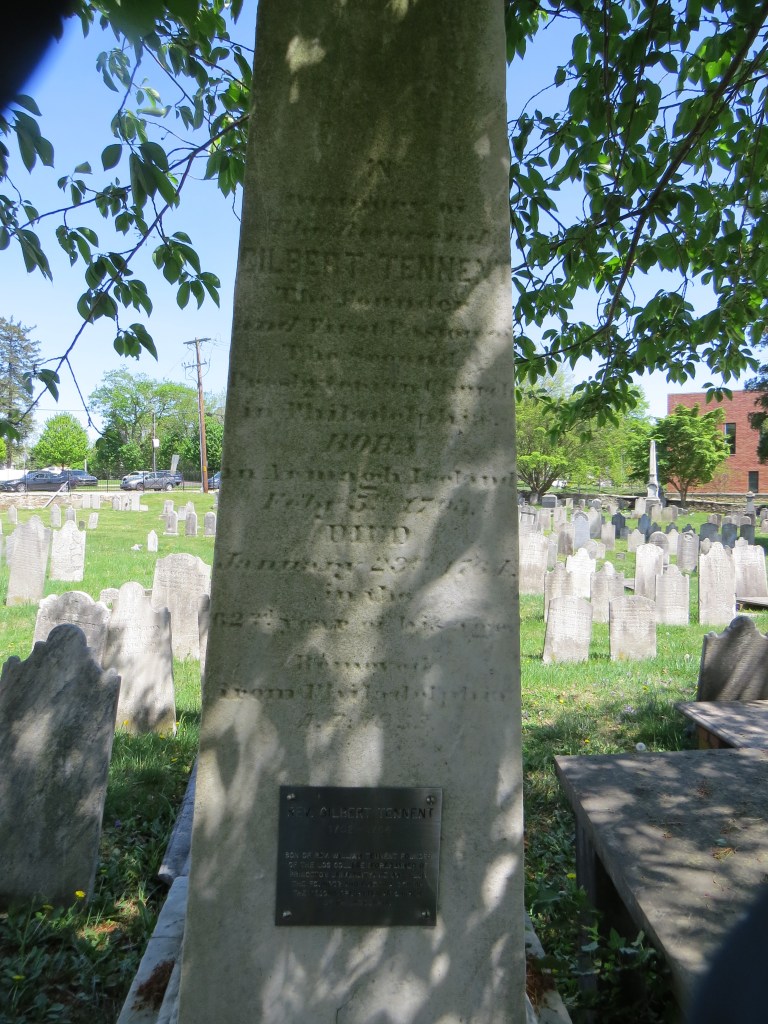
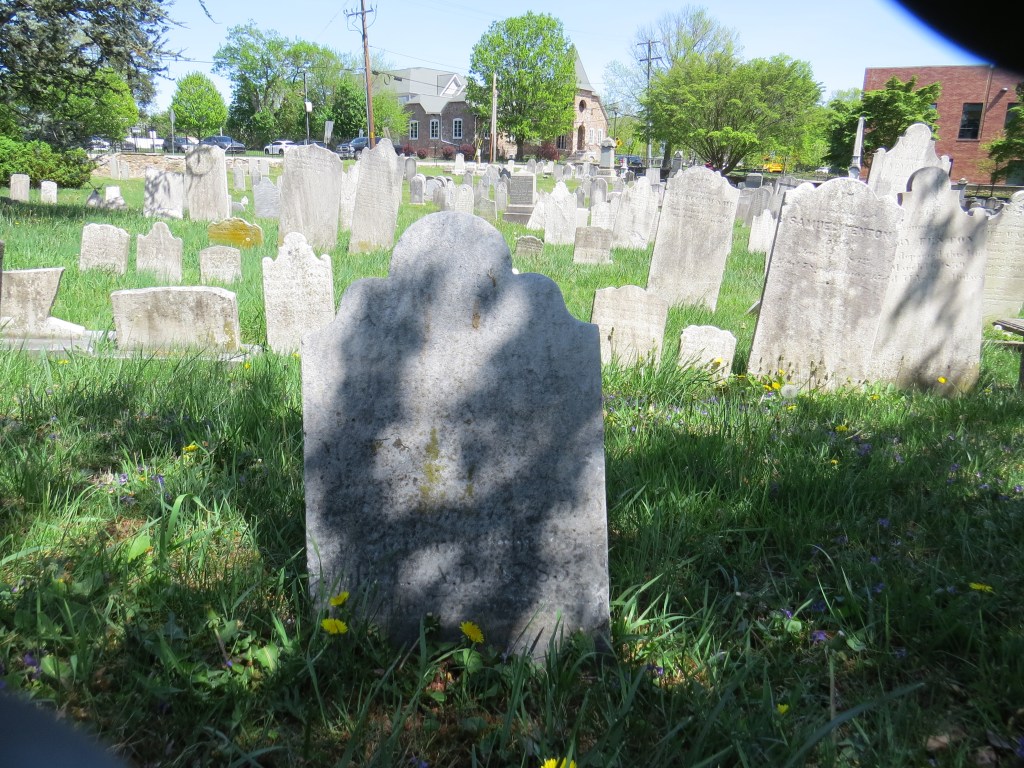
At Abington, George preached to over 2000 from a porch window at the Meetinghouse. Richard Treat was the pastor of Abington Presbyterian Church at the time. The church was likely made of logs and was located in the center of today’s Abington cemetery. Rev. Treat was also a friend of David Brainerd’s who would visit in April of 1745. Gilbert Tennent and Samuel Finley graves were relocated here from 2nd Presbyterian Church in Philadelphia.
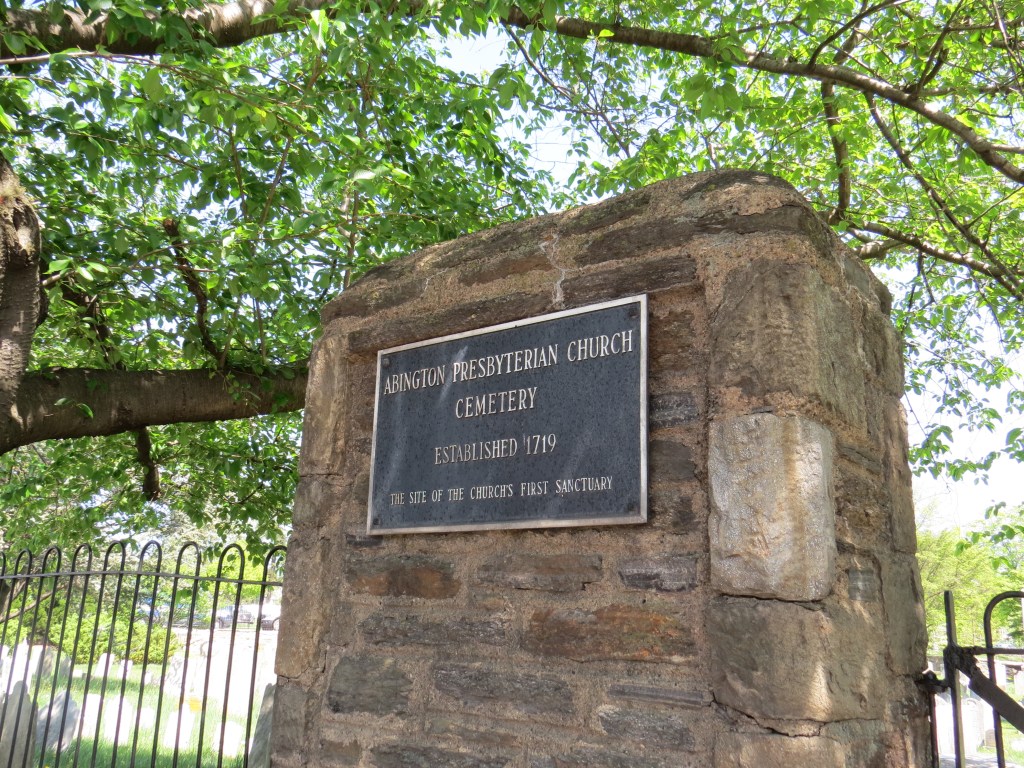
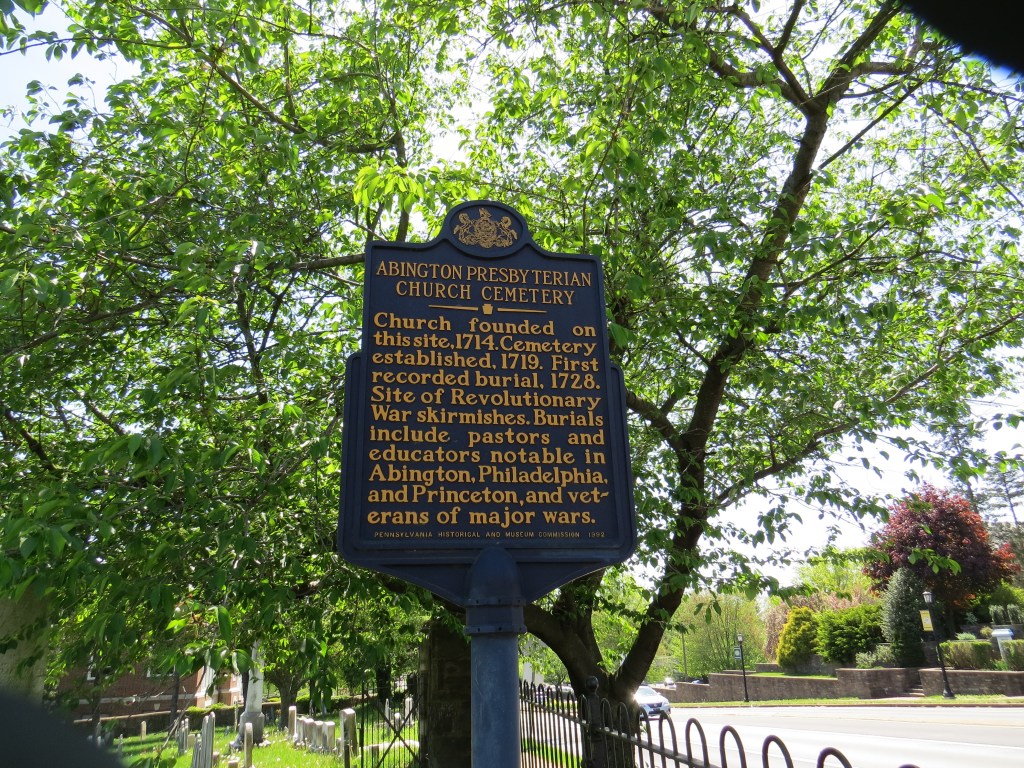
November 24-28 Philadelphia and Germantown
“Preached again at four in the afternoon in the Church, that being judged more convenient than the marketplace, as the weather was so cold.” Interestingly, this is where a shift occurred in Philadelphia’s welcome as the Penn family Secretary of the Province of Pennsylvania and a rector of Christ Church, Richard Peters, stood up and objected to Whitefield’s doctrine of imputed righteousness.
Whitefield traveled for a day, Nov 27, out to Germantown, just west of the city. He preached to over 6,000 likely in the open-air marketplace. Returning to Philadelphia and a crowd of 10,000 he preached again from the courthouse balcony. On November 29, he was gifted a sloop named Savannah.
Return to Georgia for the Winter 1739/40
He had set his mind to go back to Georgia. He would return north in the spring of 1740 and make similar rounds for the next 30 years. JC Ryle sums it up well…
The facts of Whitefield’s history . . . are almost entirely of one complexion. One year was just like another; and to attempt to follow him would be only going repeatedly over the same ground. From 1739 to the year of his death, 1770, a period of 31 years, his life was one uniform employment. He was eminently a man of one thing, and always about his Master’s business. From Sunday mornings to Saturday nights, from 1 January to 31 December, excepting when laid aside by illness, he was almost incessantly preaching Christ and going about the world entreating men to repent and come to Christ and be saved. JC Ryle
Resources
The Great Awakening – Sight and Sound movie (Review: Wretched Radio with Todd Friel | Fortis+)
“I Will Not Be a Velvet-Mouthed Preacher!” John Piper – You Tube
George Whitefield: A Spur to the Minister – Pastor Iain Murray Sermon


Leave a comment